Bird ID · United States
A backyard bird ID that is not only New England
These are widespread U.S. feeder birds, with licensed photographs, the foods Cornell and FeederWatch associate with them, and a pointer to the region where the list changes. For a ranked, dated count in a high-activity state, open the state pages.
Project FeederWatch notes that the Dark-eyed Junco is typically the most common feeder bird in North America, but no national list is a substitute for your yard. A House Finch leads early-season counts in California and Pennsylvania; a Northern Cardinal leads them in Texas, Florida, and Ohio; a Dark-eyed Junco leads them in Washington. Use this page to get a name on the bird, then open your region.
Birds you can meet in much of the country
House Finch
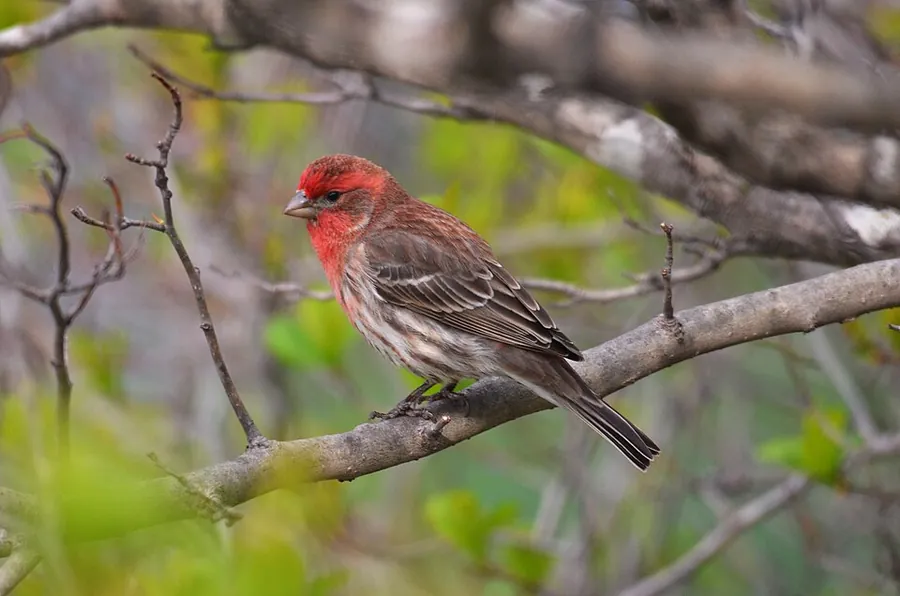
A streaked brown finch; males have a red face and breast. Now common at feeders from coast to coast after a long range expansion. Sunflower, hulled sunflower, and nyjer are the usual offerings. House Finch led early November 2026 FeederWatch lists in California, Pennsylvania, Arizona, and Colorado.
Mourning Dove
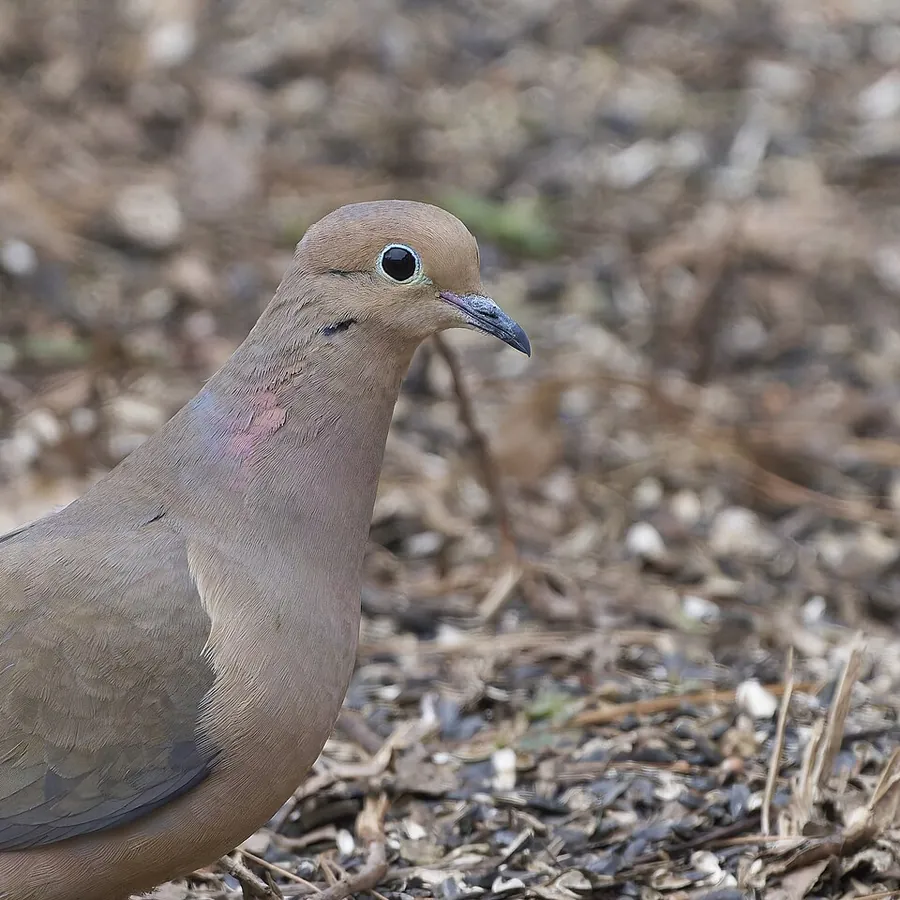
A slim tan dove with a black cheek spot. It prefers a tray or the ground under a hopper more than a small-port tube. Widespread in every region hub on this site, and second in Florida's early November 2026 count.
Dark-eyed Junco
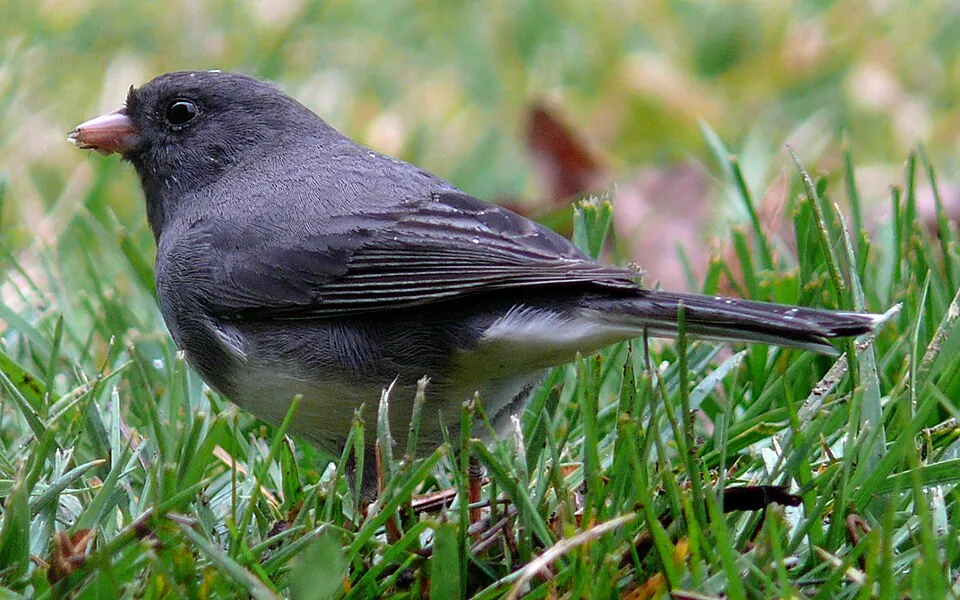
A flash of white tail feathers and, in the East, a slate hood. In the West, several plumage forms appear, but it is still a junco. Typically FeederWatch's most frequently reported feeder bird continent-wide. It was first in Washington (92.4 percent of sites) and third in New York and California in the November 1–13, 2026 window. A tray of millet or sunflower chips suits it.
Downy Woodpecker
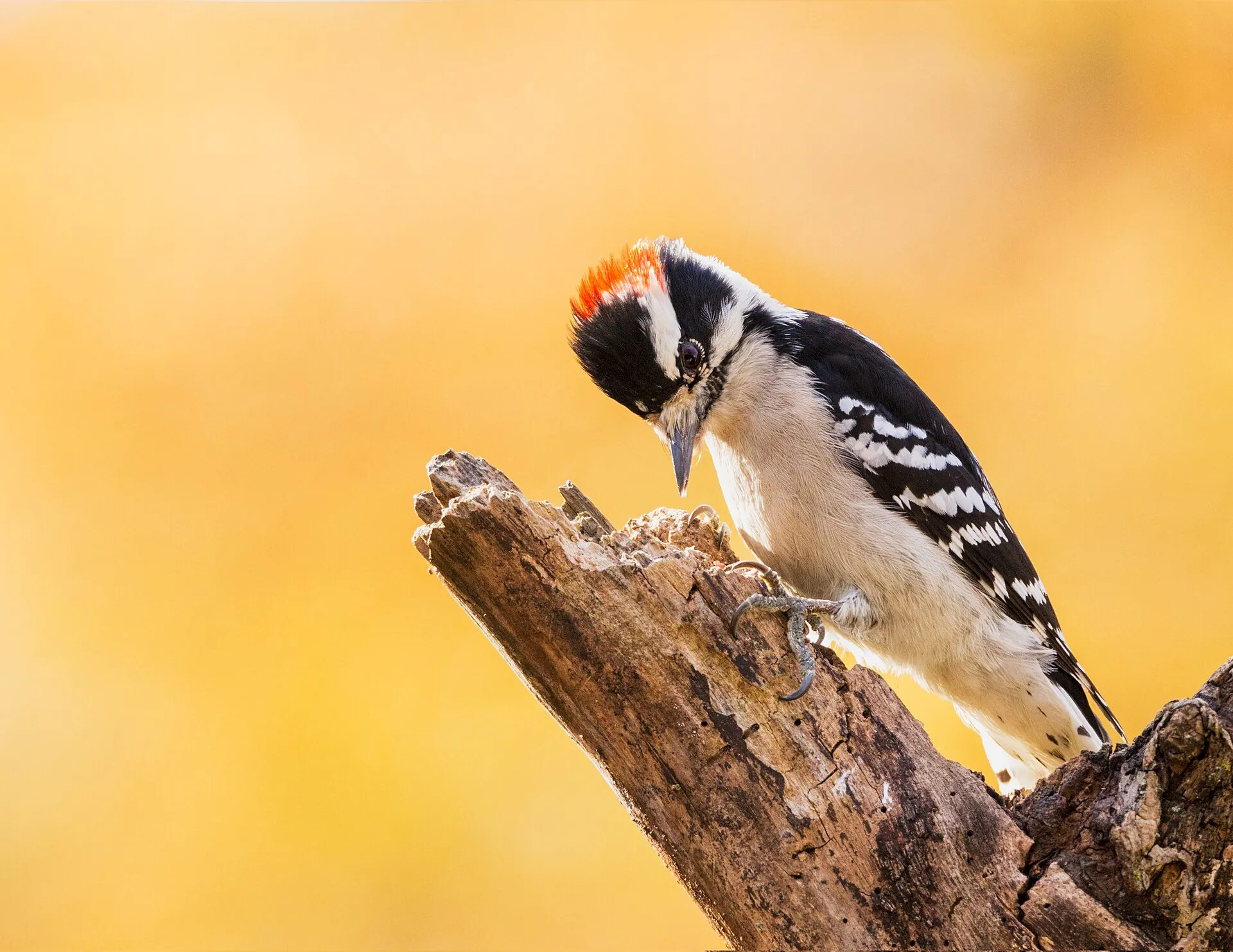
The small black-and-white woodpecker at suet cages and sunflower feeders across the East, Midwest, and much of the West. Compare it with the larger Hairy Woodpecker (longer bill) and, in the East and South, the Red-bellied Woodpecker.
American Goldfinch
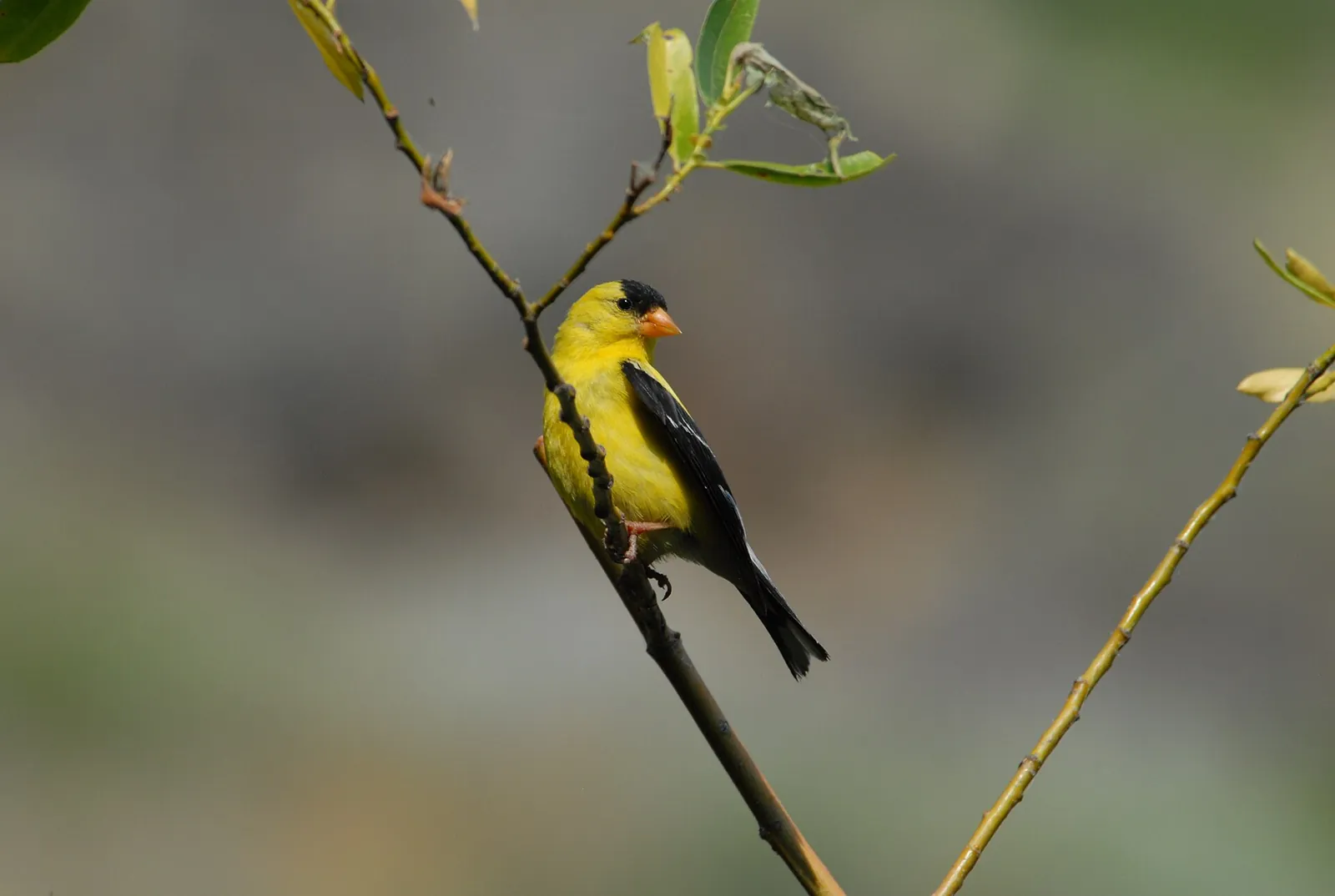
Bright yellow in summer, drab olive in winter, always with a cone-shaped bill. Nyjer and hulled sunflower are the classic foods. Present in every eastern and midwestern early-season list in this update.
Eastern and midwestern regulars
Northern Cardinal
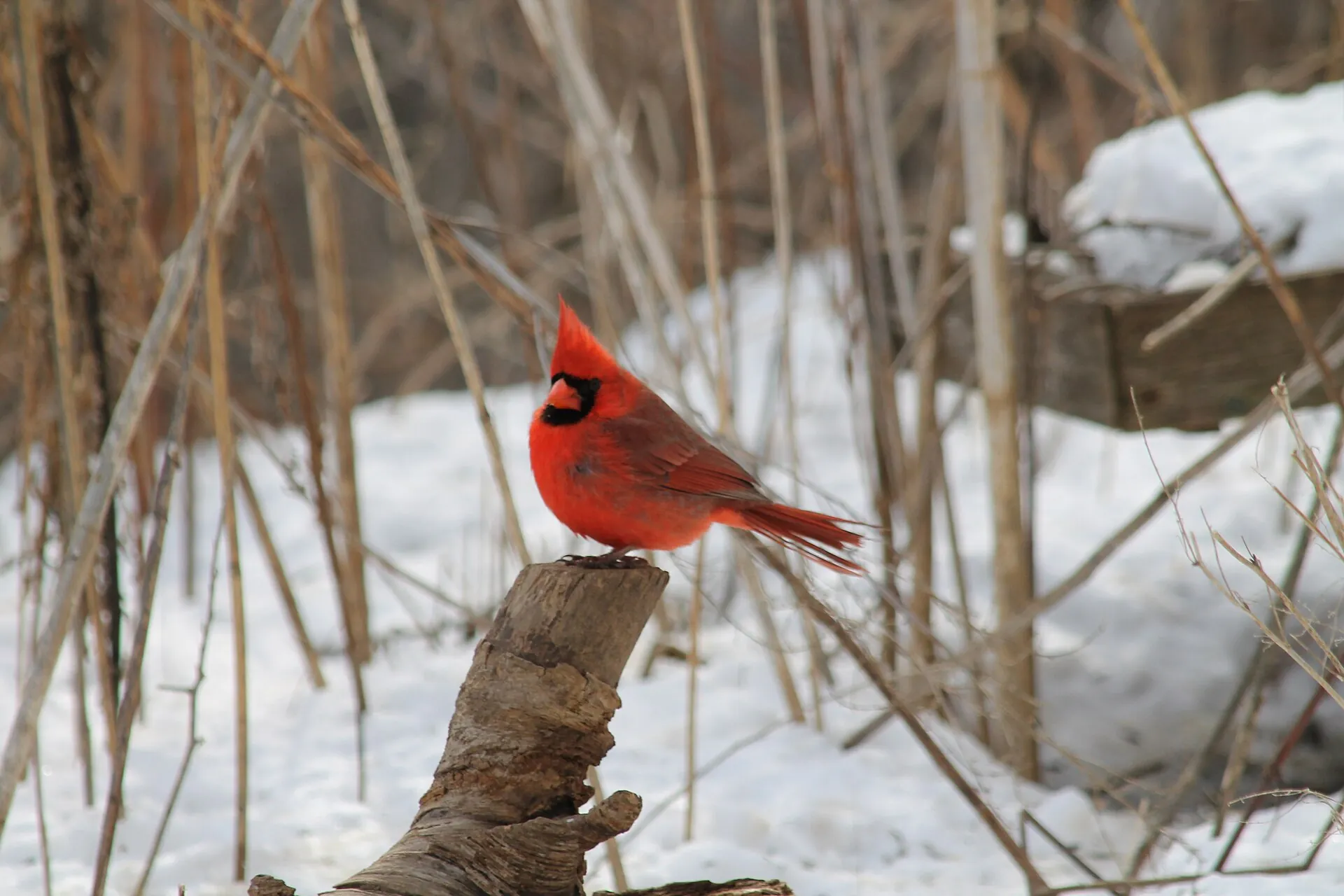
The red bird of eastern, southern, and midwestern feeders, with a crest and a heavy orange-red bill. Females are warm brown with the same crest and bill. Cardinals led early November 2026 lists in Texas, Florida, and Ohio. They are scarce to absent as regular feeder birds in most of the Pacific Northwest and the Mountain West. Black-oil sunflower and safflower are standard foods.
Black-capped and Carolina Chickadees
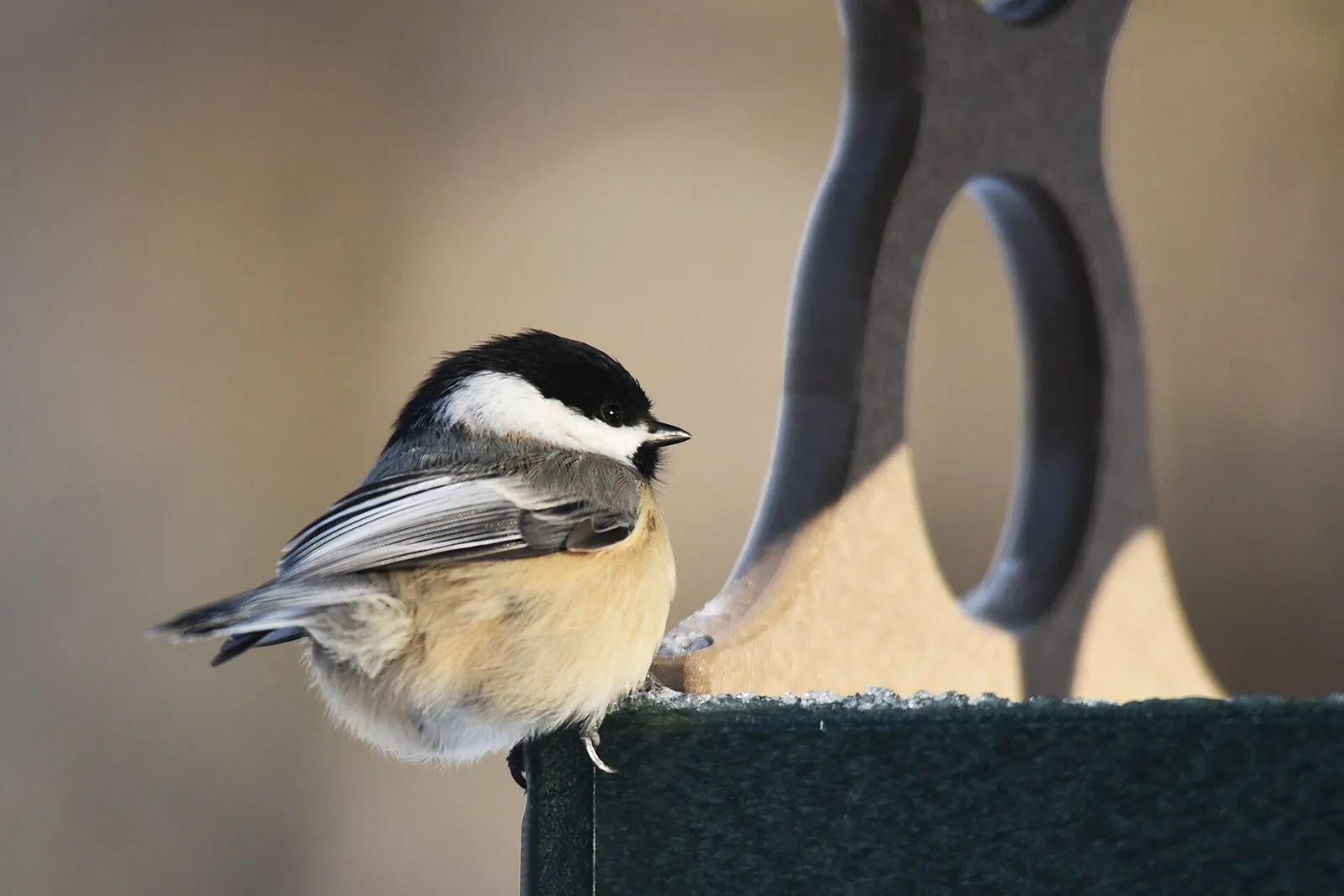
The photograph is a Black-capped Chickadee, the northern and New England bird. Carolina Chickadee looks extremely similar and is the feeder chickadee of the Southeast and most of Texas. The two meet in a contact zone that crosses the mid-Atlantic and Ohio Valley, which is why Ohio's Black-capped percentage in early November was much lower than Michigan's. Use range and voice, and do not treat this photo as a Carolina Chickadee.
Blue Jay, tufted titmouse, white-breasted nuthatch
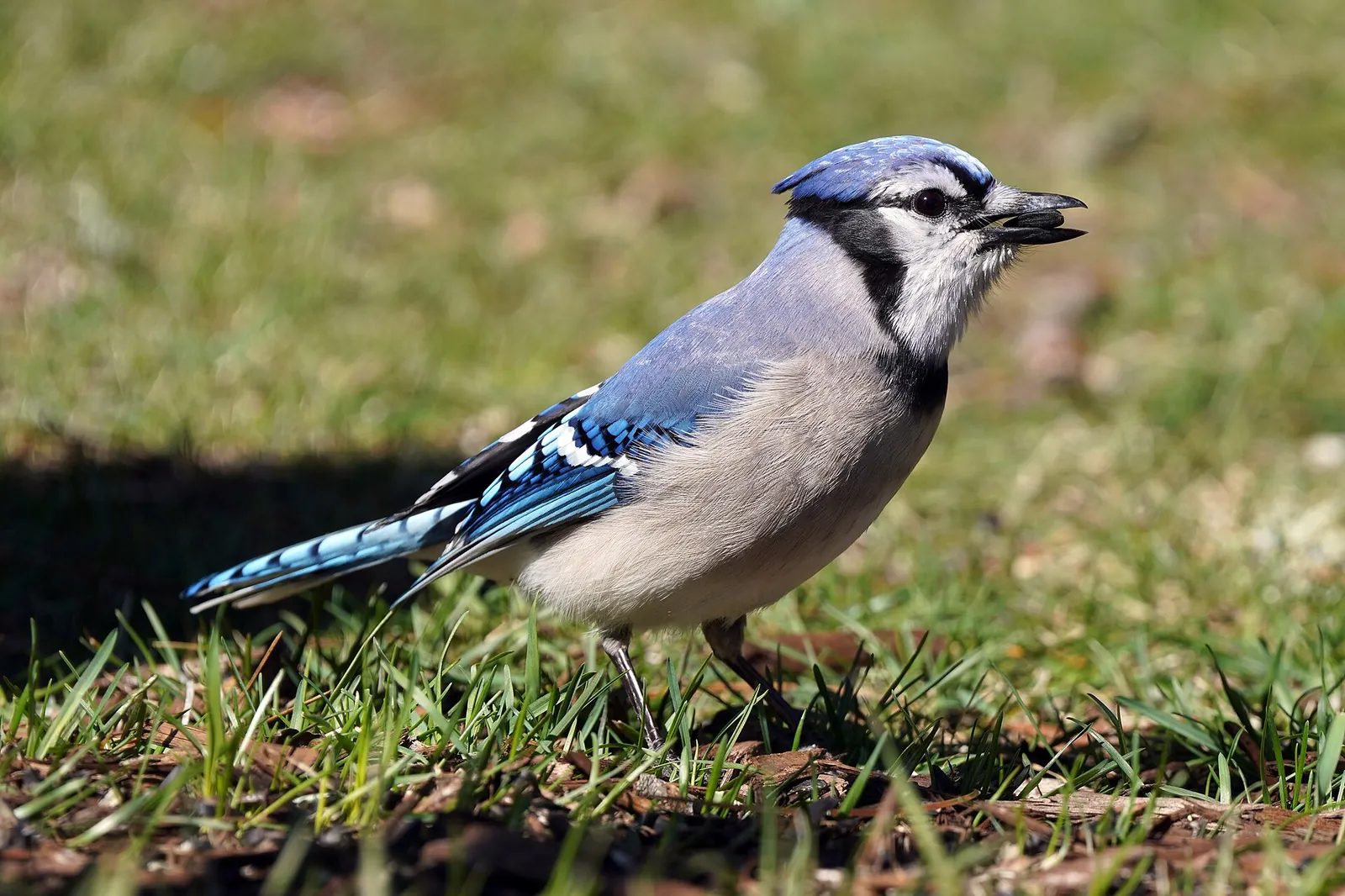
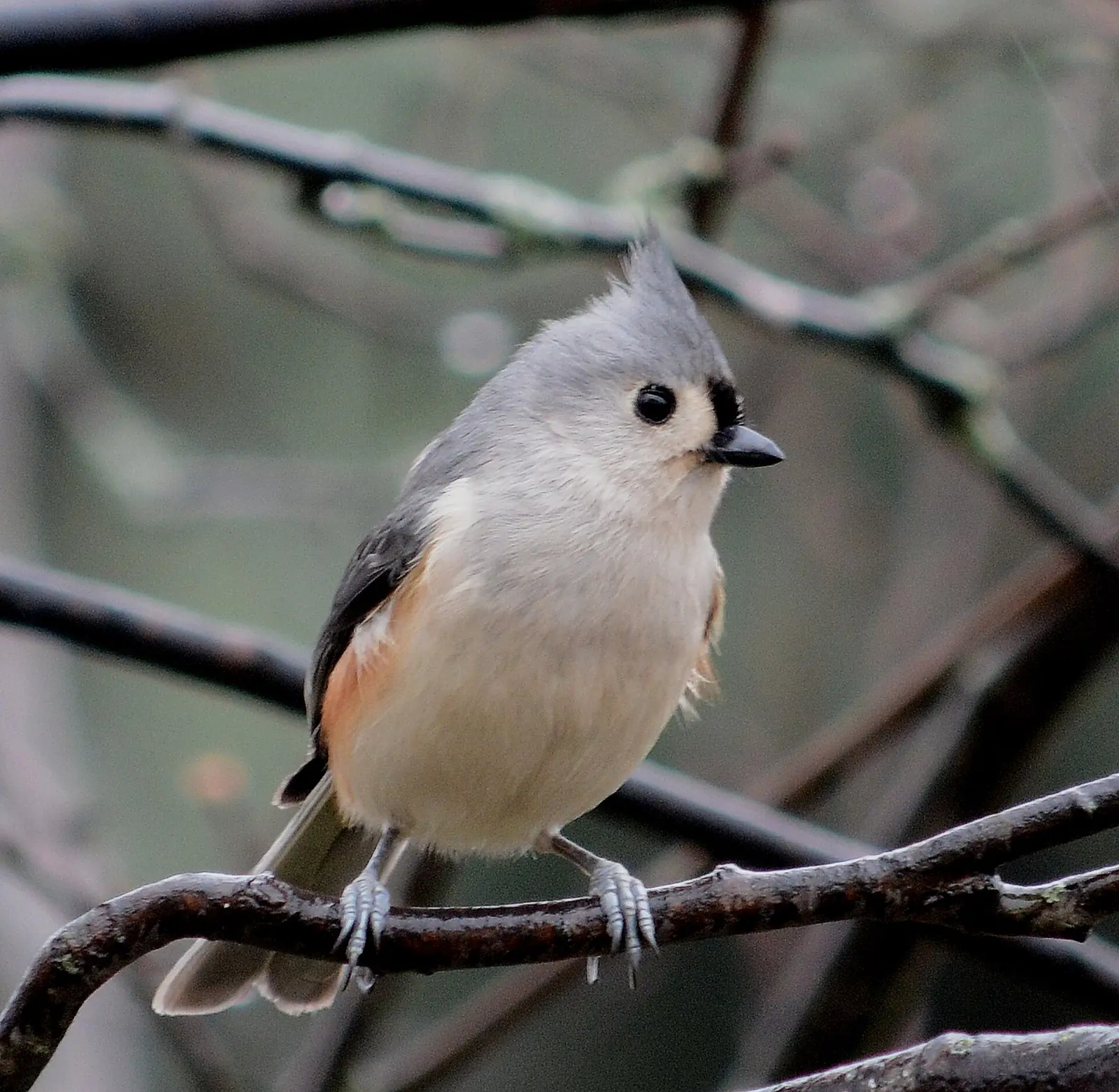
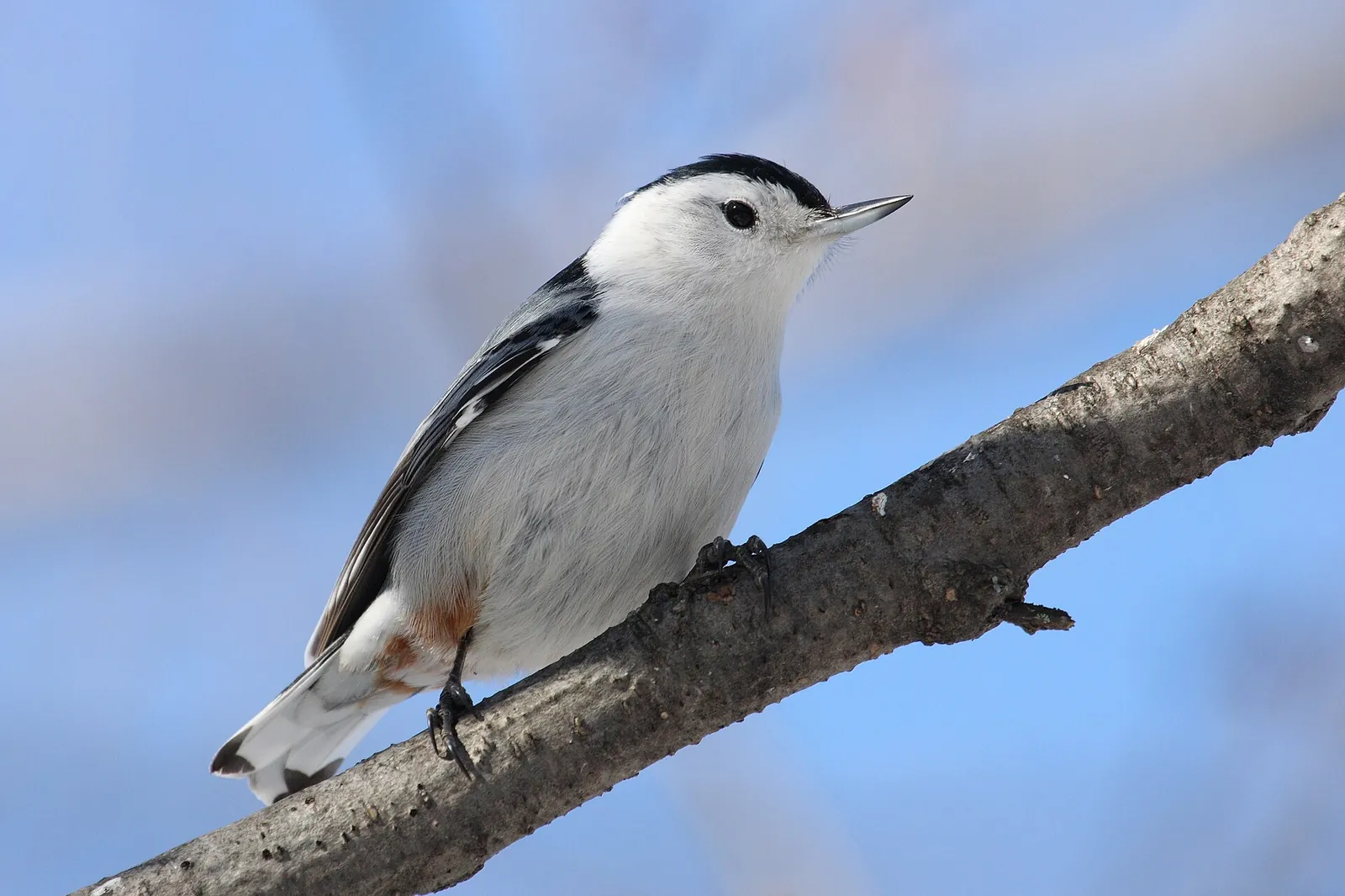
The classic eastern hopper-feeder trio, also common in the Midwest. Sunflower, peanuts, and suet. Blue Jay led New York and Michigan in the early November 2026 window.
Red-bellied Woodpecker and Carolina Wren
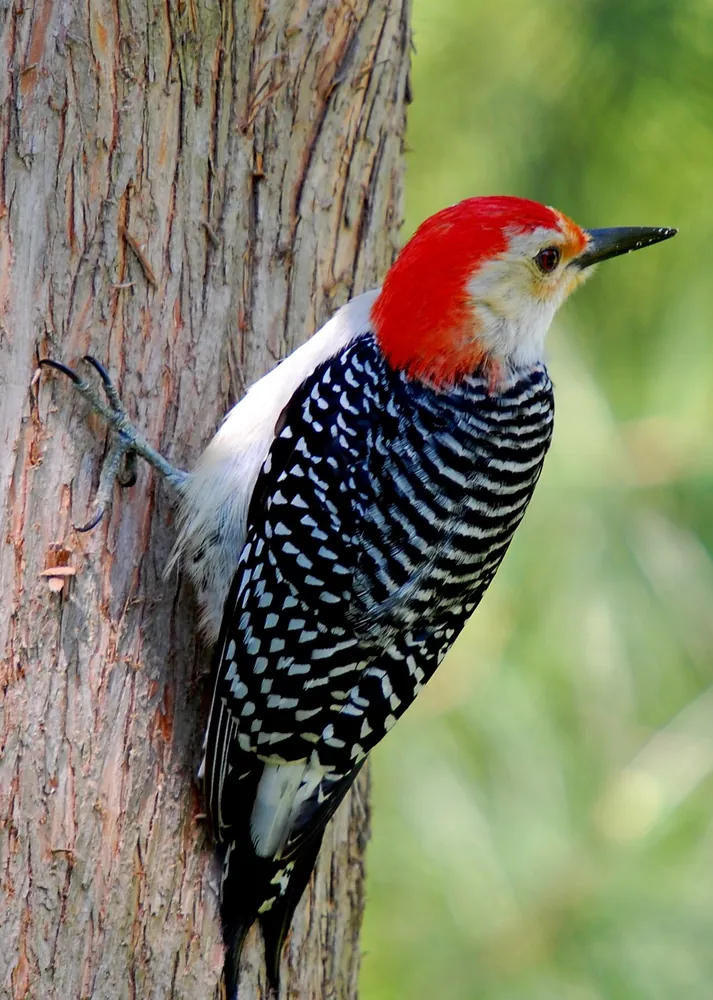
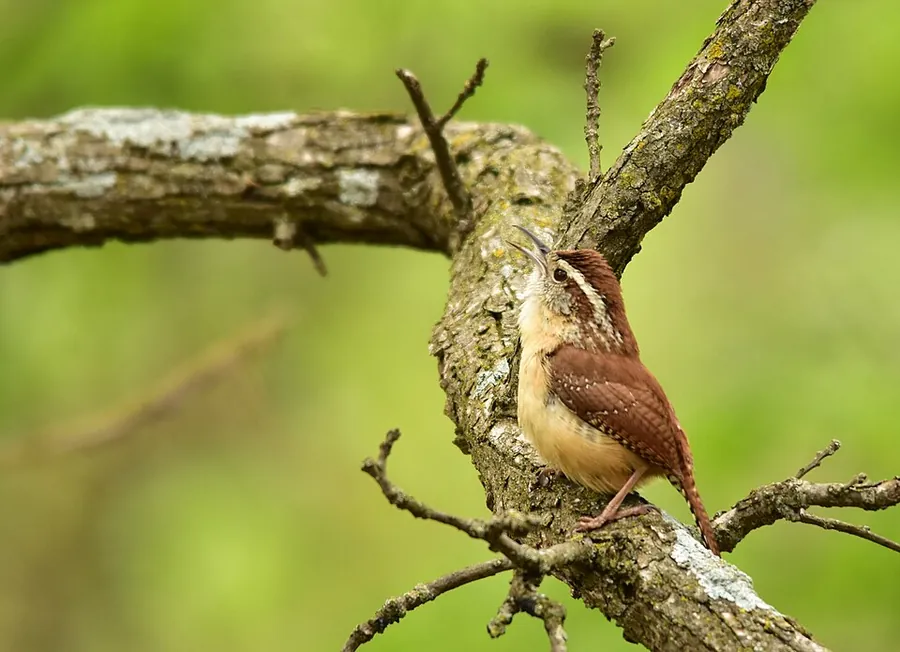
Two southeastern and mid-Atlantic regulars that have also pushed north. Red-bellied Woodpecker was in the top ten in Florida, Pennsylvania, Ohio, and Texas in mid-November 2026. Carolina Wren is a year-round, loud eyebrowed wren at suet and sunflower.
Southern and western specialties
Northern Mockingbird
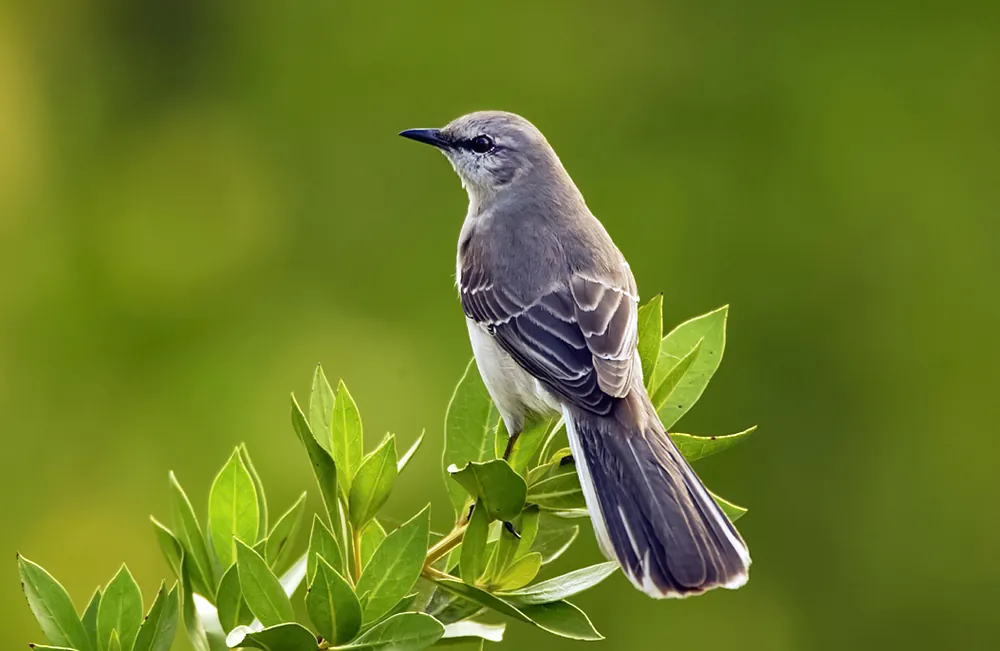
A gray, long-tailed singer that often prefers fruit and insects to a seed tube, but still appears on southern FeederWatch lists. Sixth in Florida and eighth in Texas in the early November 2026 window.
White-winged Dove
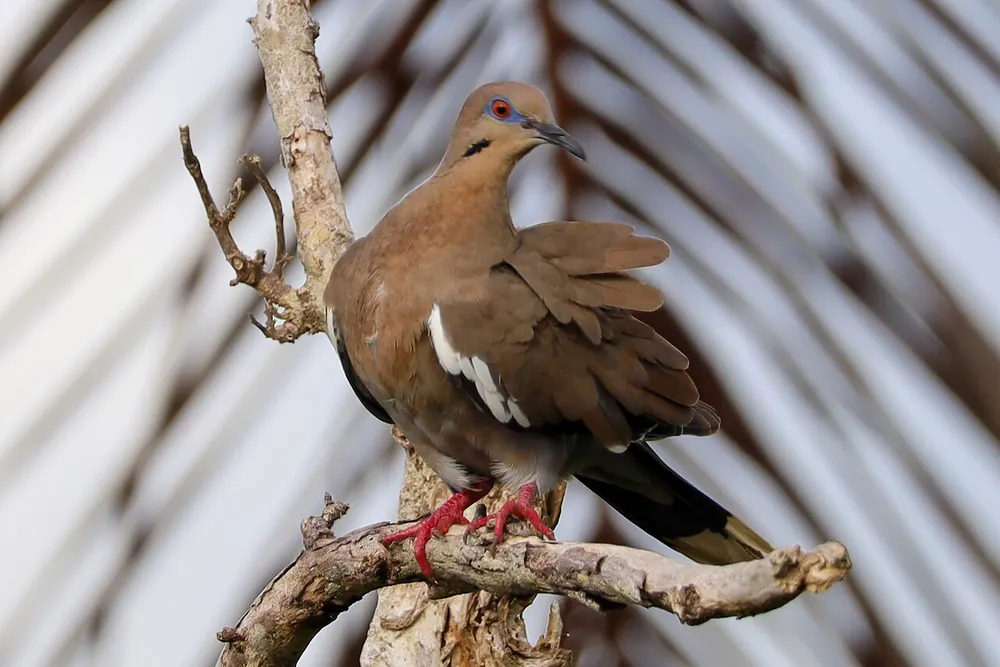
A southwestern and south-central dove with a sharp white wing edge in flight. Third in Texas in early November 2026, and not a bird you should expect at a New England feeder.
Anna's Hummingbird
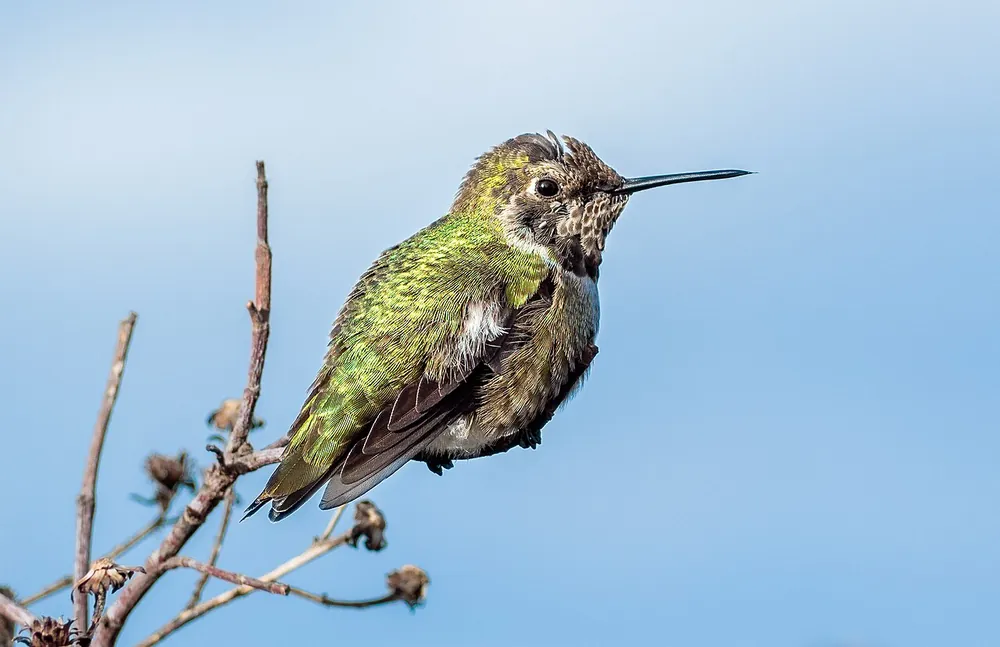
A West Coast resident hummingbird, not a fleeting summer migrant. It was second in California and fifth in Washington in the November 1–13, 2026 FeederWatch window. Offer a clean sugar-water feeder and follow Cornell Lab hummingbird guidance.
California Scrub-Jay, Steller's Jay, and the towhees
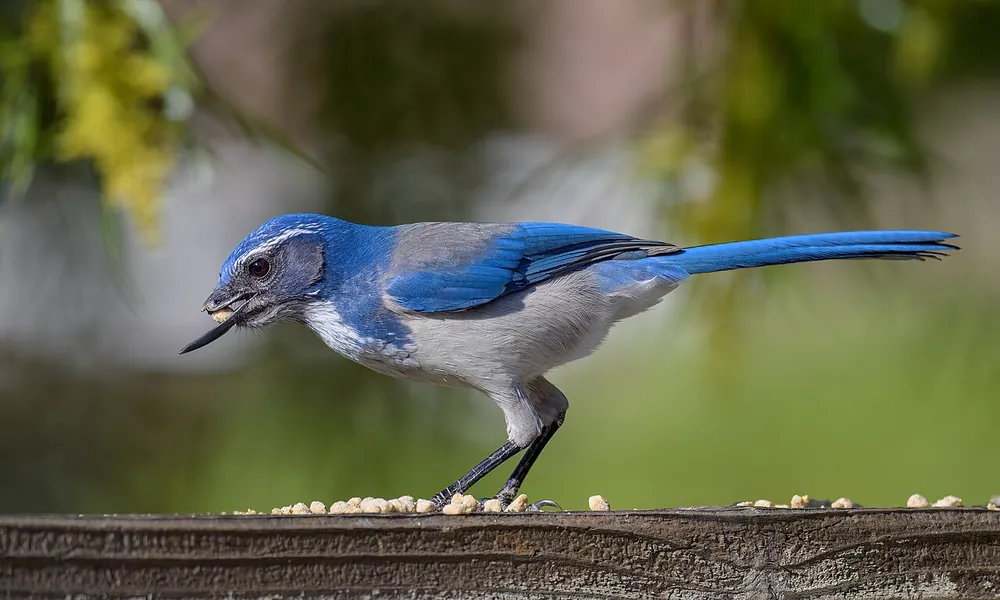
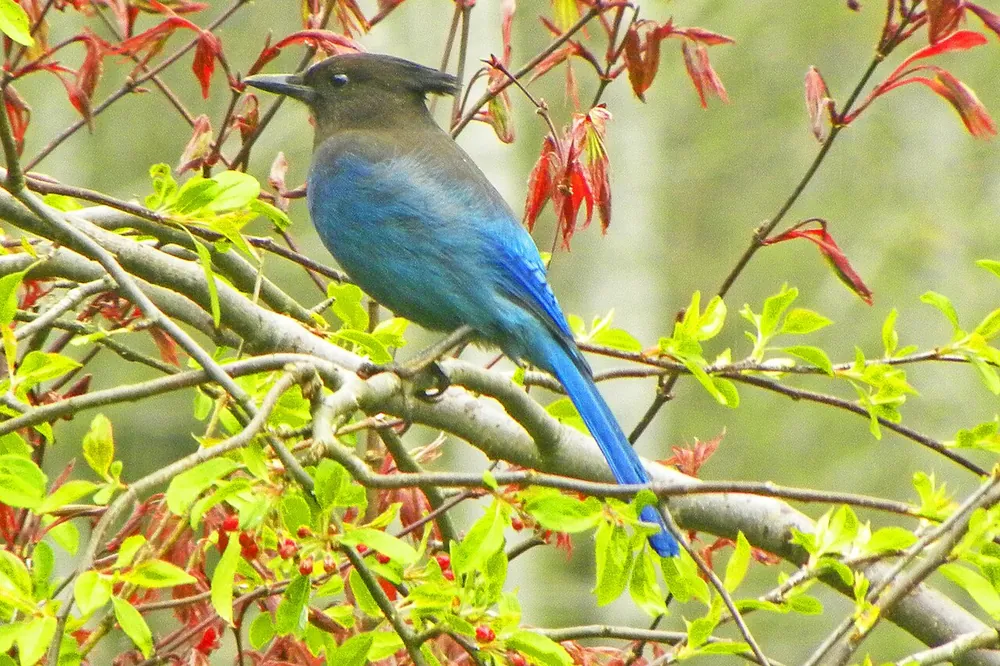
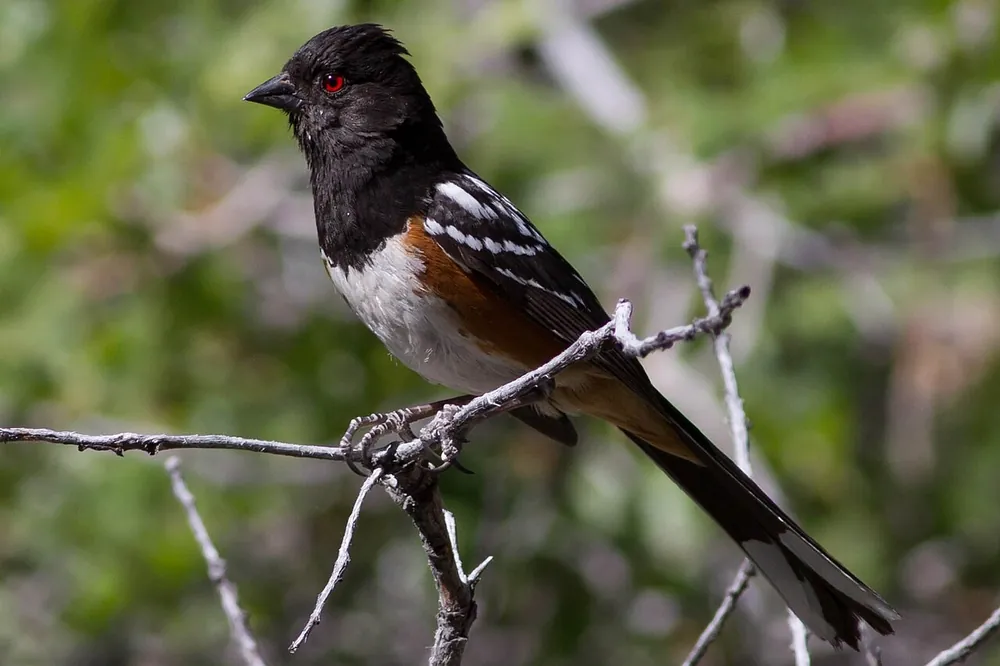
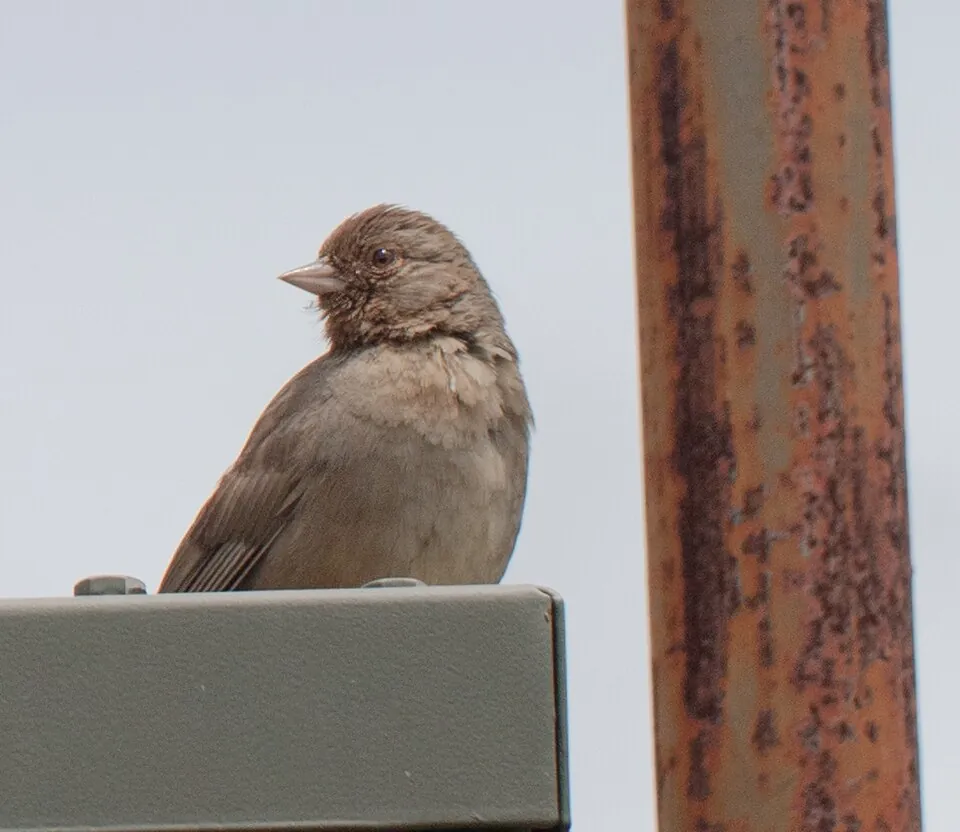
California Scrub-Jay and California Towhee are Pacific-slope birds; Steller's Jay and Spotted Towhee are the mountain and Northwest counterparts of the Blue Jay and Eastern Towhee. All four use tray, hopper, or peanut feeders. They are why a California or Washington shopping list should not be copied from a Connecticut calendar.
Lesser Goldfinch and White-crowned Sparrow
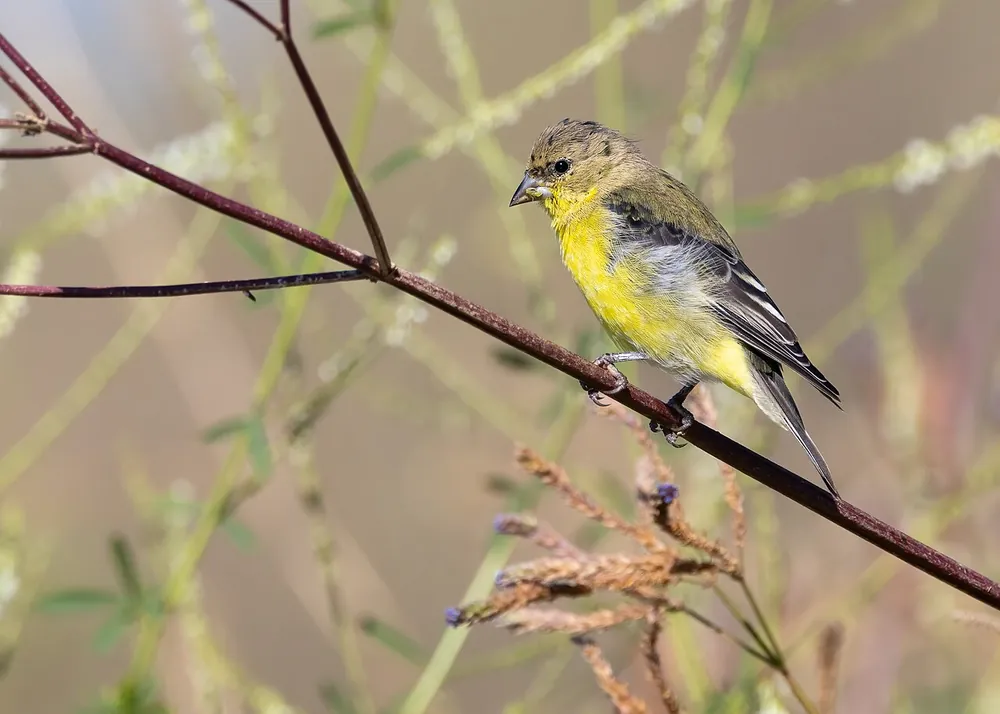
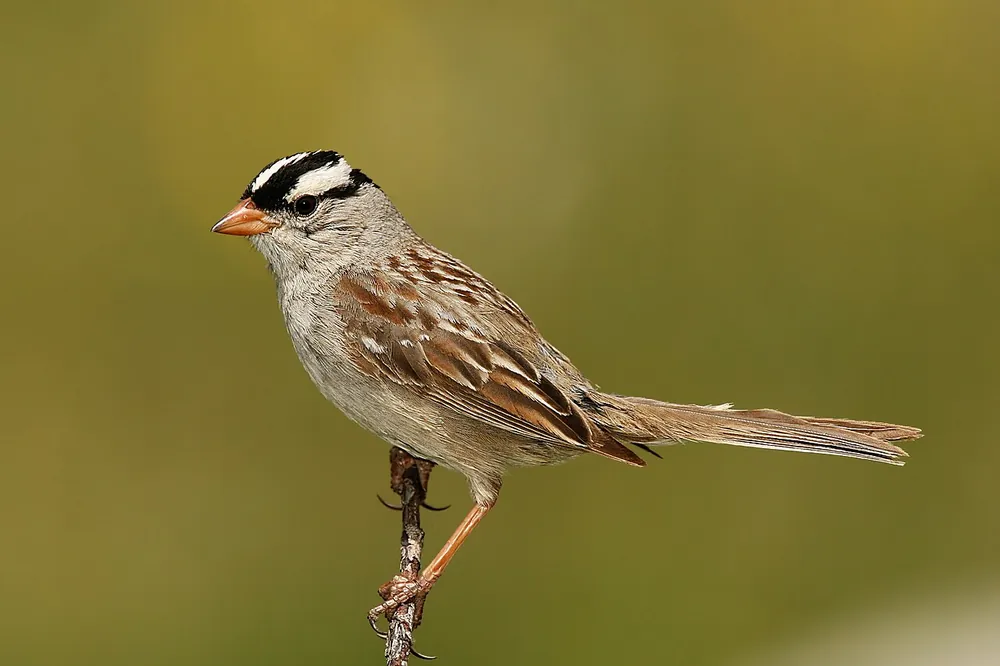
Lesser Goldfinch is the common goldfinch of much of the West and showed up in California's top five in early November 2026. White-crowned Sparrow is a widespread western and migrant sparrow of trays and brush piles.
What to do next
If you are trying to put a name on a bird this week, this page plus the seed chart will get you most of the way. If you want a ranked, dated list for a high-activity state, open the region hubs. New England still has its own winter feeder guide and November report.
Sources
- The U.S. Fish and Wildlife Service, 2022 Birding in the United States: A Demographic and Economic Analysis, for national birder counts, Census division shares, and days spent birding.
- U.S. Fish and Wildlife Service, 2022 National Survey of Fishing, Hunting, and Wildlife-Associated Recreation, for around-the-home wildlife watching, including feeding, by division.
- eBird United States subregions, checklist totals checked November 18, 2026. These are running, all-habitat totals and will change.
- Project FeederWatch, Top 25 Feeder Birds tool, for official full-season and state lists. The November 1–13, 2026 counts quoted here were compiled by Stacker and published November 16, 2026, ranked by percent of sites visited.
- Project FeederWatch, Feeding Birds, and the Cornell Lab of Ornithology, How to Attract Hummingbirds, for seed and nectar guidance.
- Our seed chart and bird-seed buying guide for product matches.
- Species food preferences follow Cornell Lab and Project FeederWatch feeding guidance already cited on the seed chart. Range comments follow All About Birds species accounts and the early-season state lists cited on the region and state pages. The junco remark quotes Project FeederWatch's Top 25 page, which describes the Dark-eyed Junco as typically the most common feeder bird in North America.