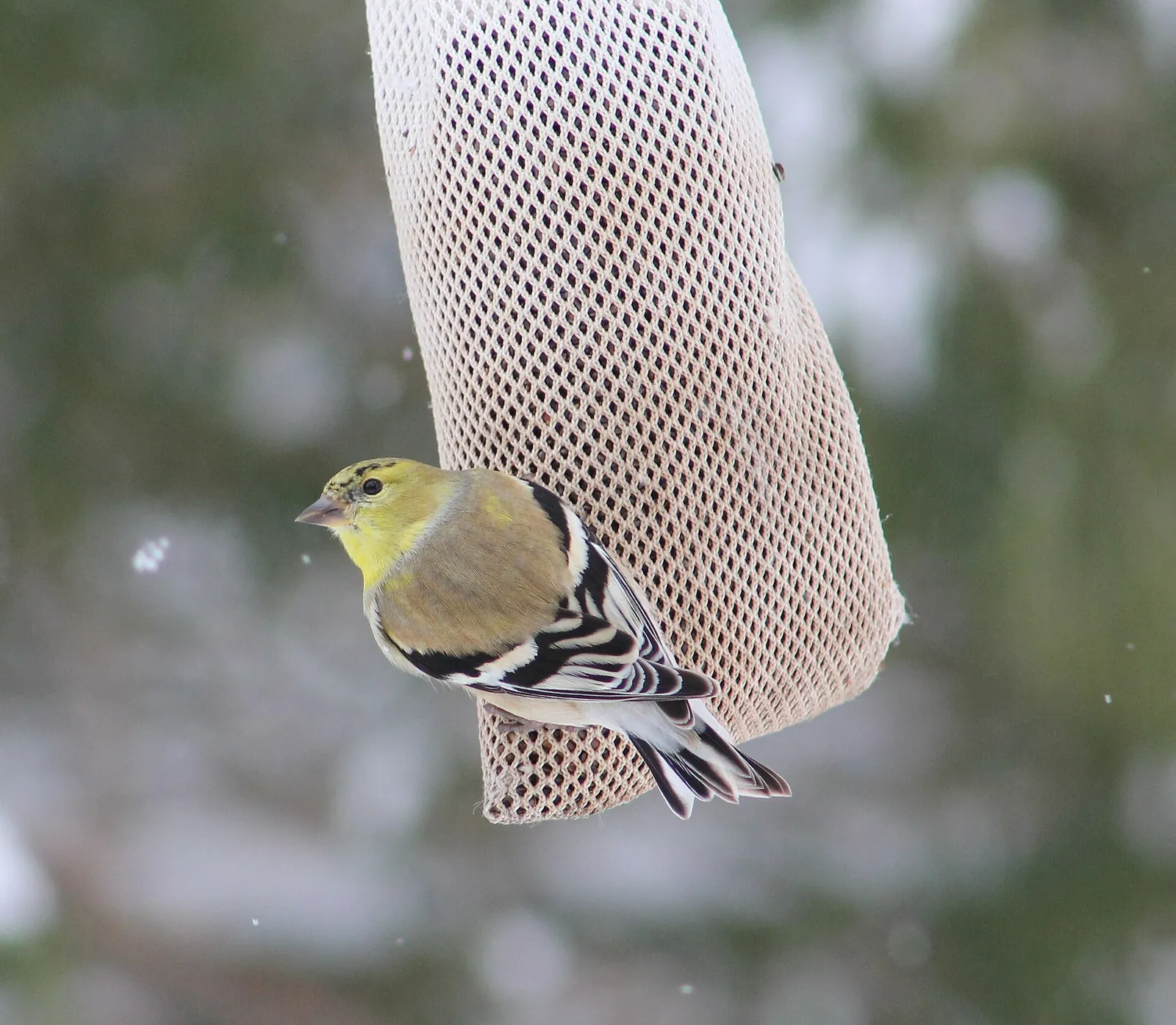
Photo: PookieFugglestein / CC0
Buying guide · Winter 2026–27
Best bird seed for winter feeders
Currently sold bags and cakes for a New England winter station, grouped by budget and by goal: no-mess, squirrel-resistant, finches, cardinals, and value bulk. Compiled from manufacturer pages and published feeding guidance, not from a taste test in our backyard.
If you buy one bag this winter, Cornell Lab of Ornithology feeding studies still point to the same answer: black-oil sunflower. It is high in fat, the shell is thin, and it attracts the greatest number of species. Everything else on this page is a way to invite a particular group, cut hull mess, offer high-energy suet in the cold, or make life a little harder for squirrels.
We chose products that are openly sold now by established wild-bird brands — Wagner’s, Lyric, Kaytee, and Cole’s — and described them from official product pages. This is not a ranked shootout, and we did not test the bags ourselves. Street prices move week to week; we list official bag sizes, and we include a dollar figure only when we could check it on a manufacturer’s own store during this research (November 18, 2026). For which seed each bird actually prefers, use the seed-to-bird chart. For who is at New England feeders this month, see the November feeder report.
A simple winter setup
A hanging tube or hopper of black-oil sunflower, a nyjer tube or sock for finches, a suet cage, and a low tray of white millet will cover nearly every regular New England winter visitor. Put different seeds in different feeders so specialists are not tossing millet on the ground to reach the sunflower. Details are in the winter feeding guide.
Picks by goal
- Value everyday seed: Wagner’s black-oil sunflower, or Lyric Supreme if you want a ready-made premium mix.
- No-mess: Kaytee Sunflower Hearts & Chips, or Kaytee No Mess Blend.
- Squirrel-resistant / hot pepper: Cole’s Hot Meats, with the maker’s own caveats.
- Finches: Wagner’s Nyjer in a tube or sock feeder.
- Cardinals and a mixed station: Cole’s Special Feeder, which includes safflower as well as sunflower.
- Juncos and ground feeders: Cole’s White Millet on a platform or the ground.
- High-energy winter suet: Lyric Supreme Wild Bird Suet, or Cole’s Hot Meats suet if squirrels are the problem.
Value and everyday bags
Workhorse · Bulk sunflower
Wagner’s Black Oil / Four Season Sunflower
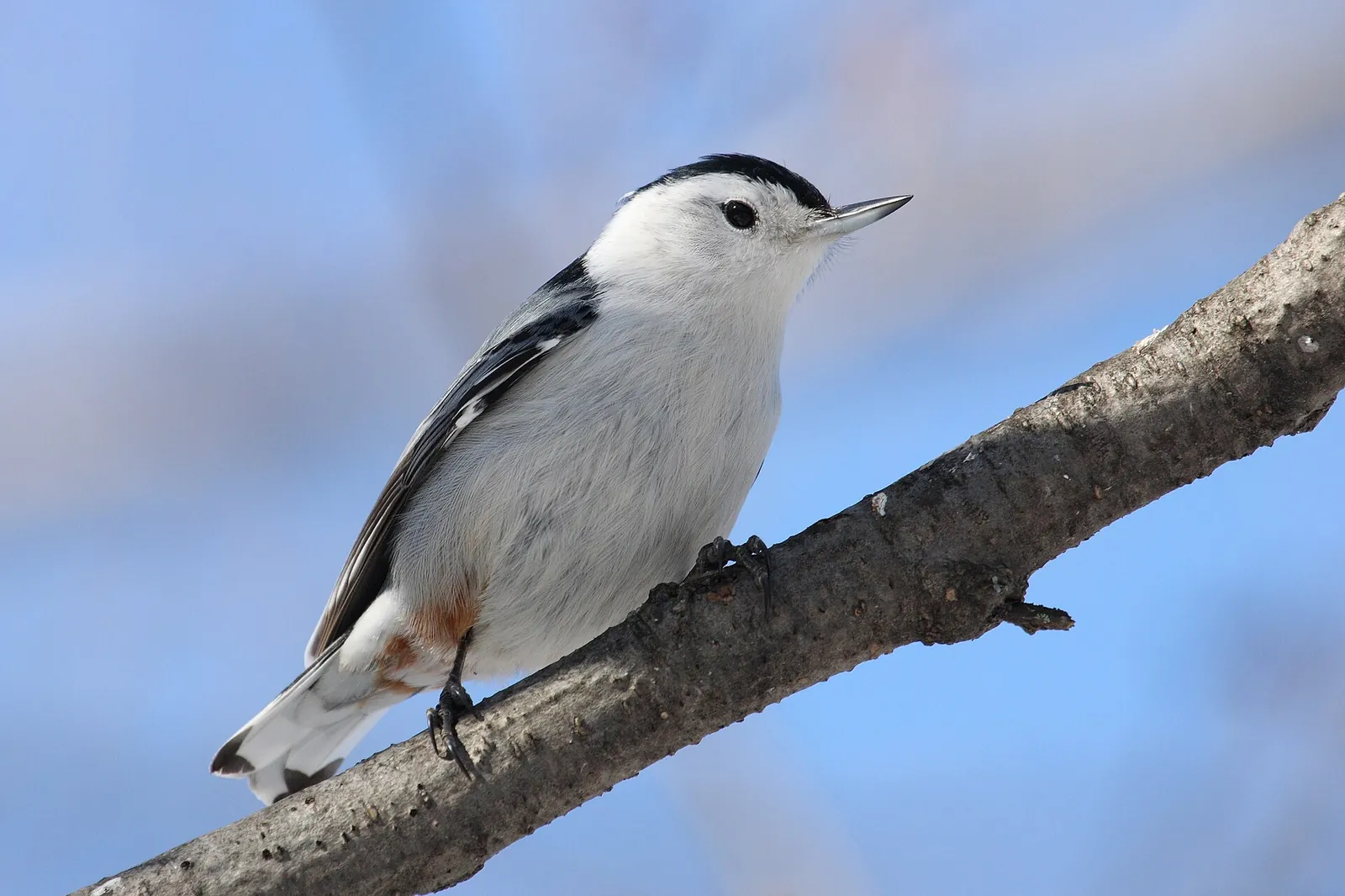
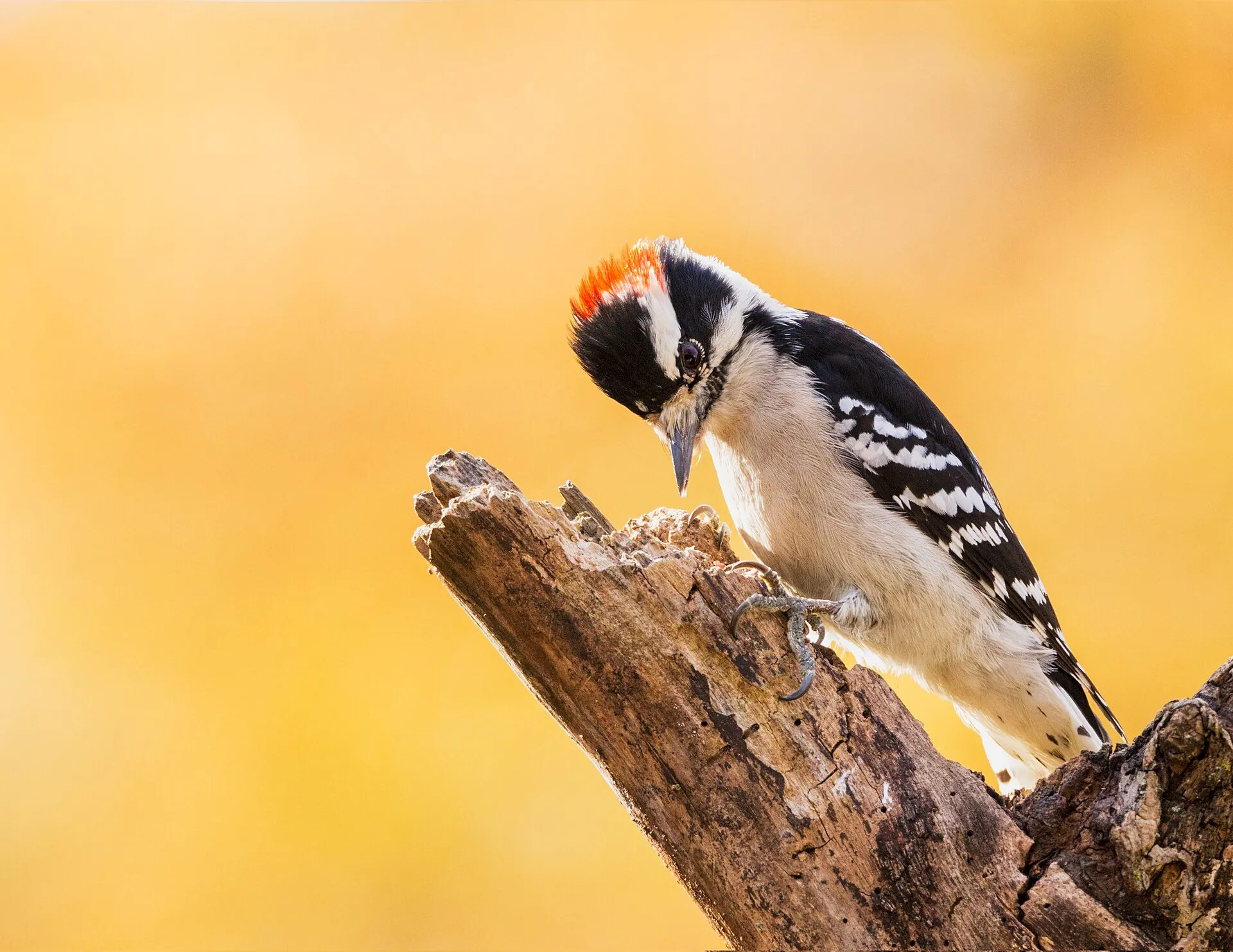
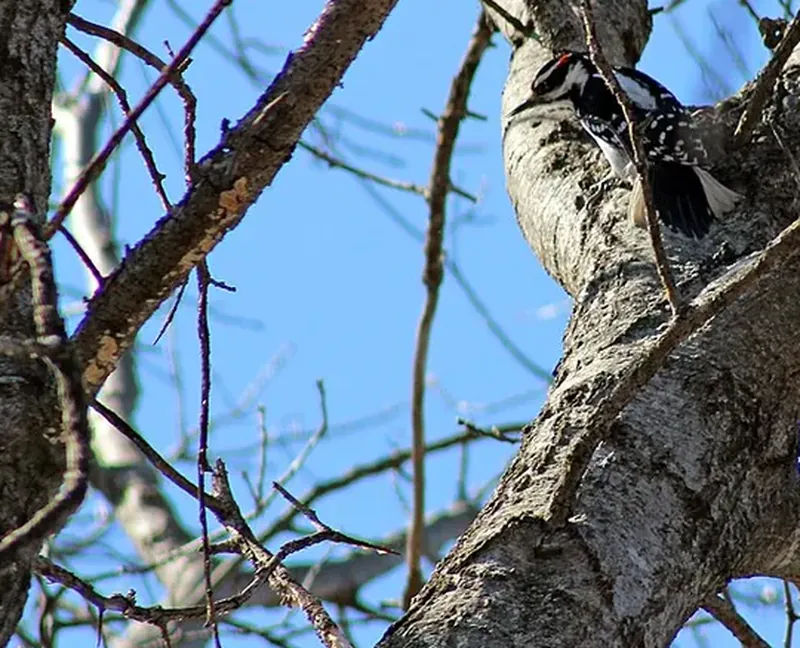
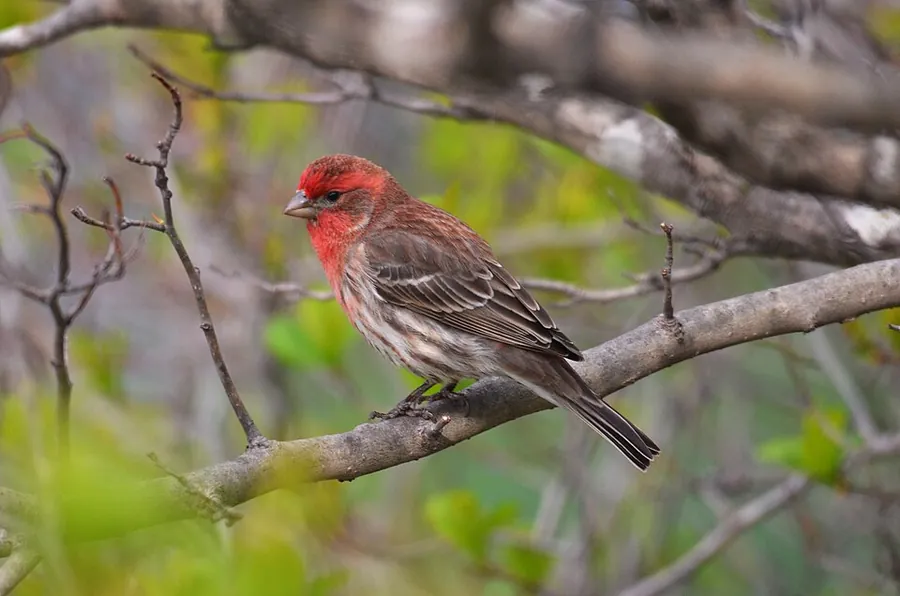
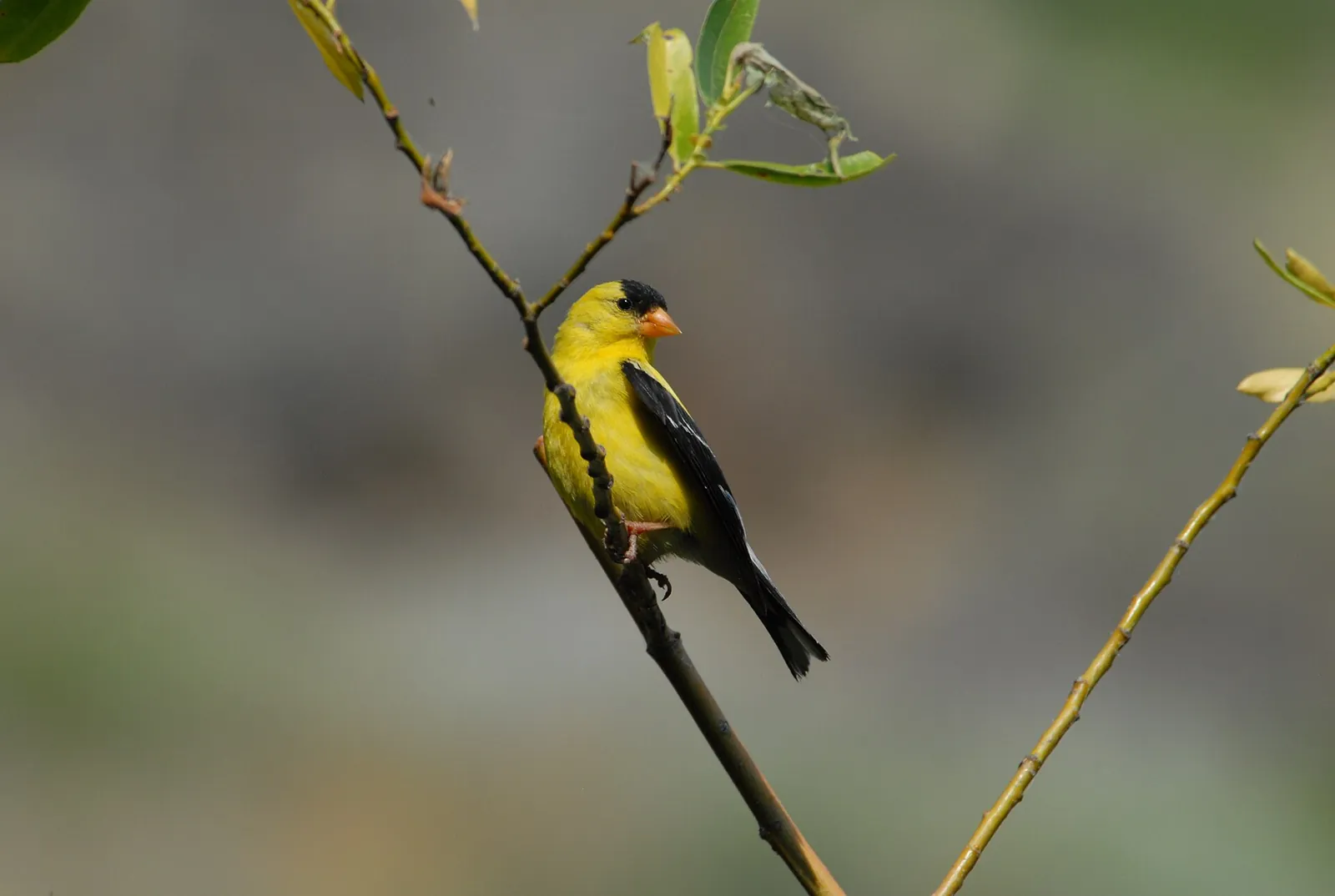
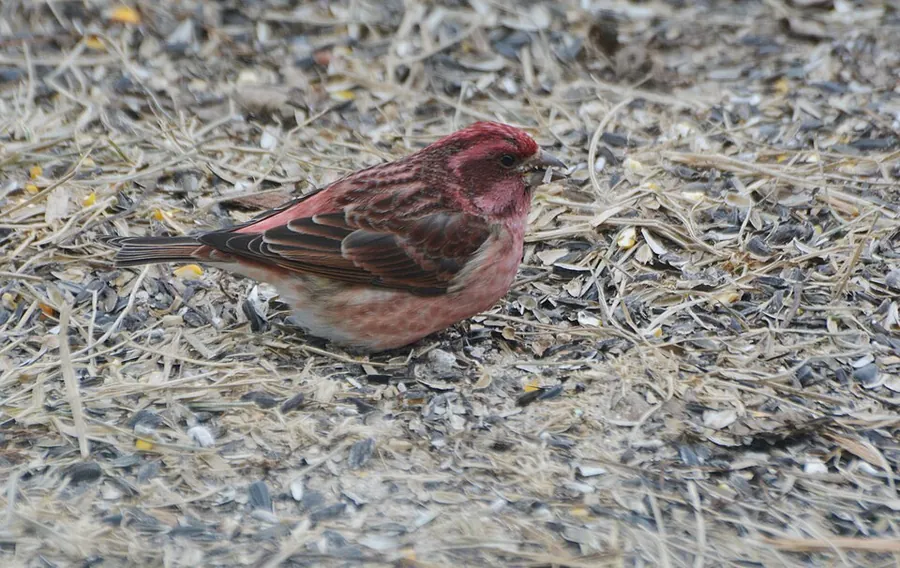
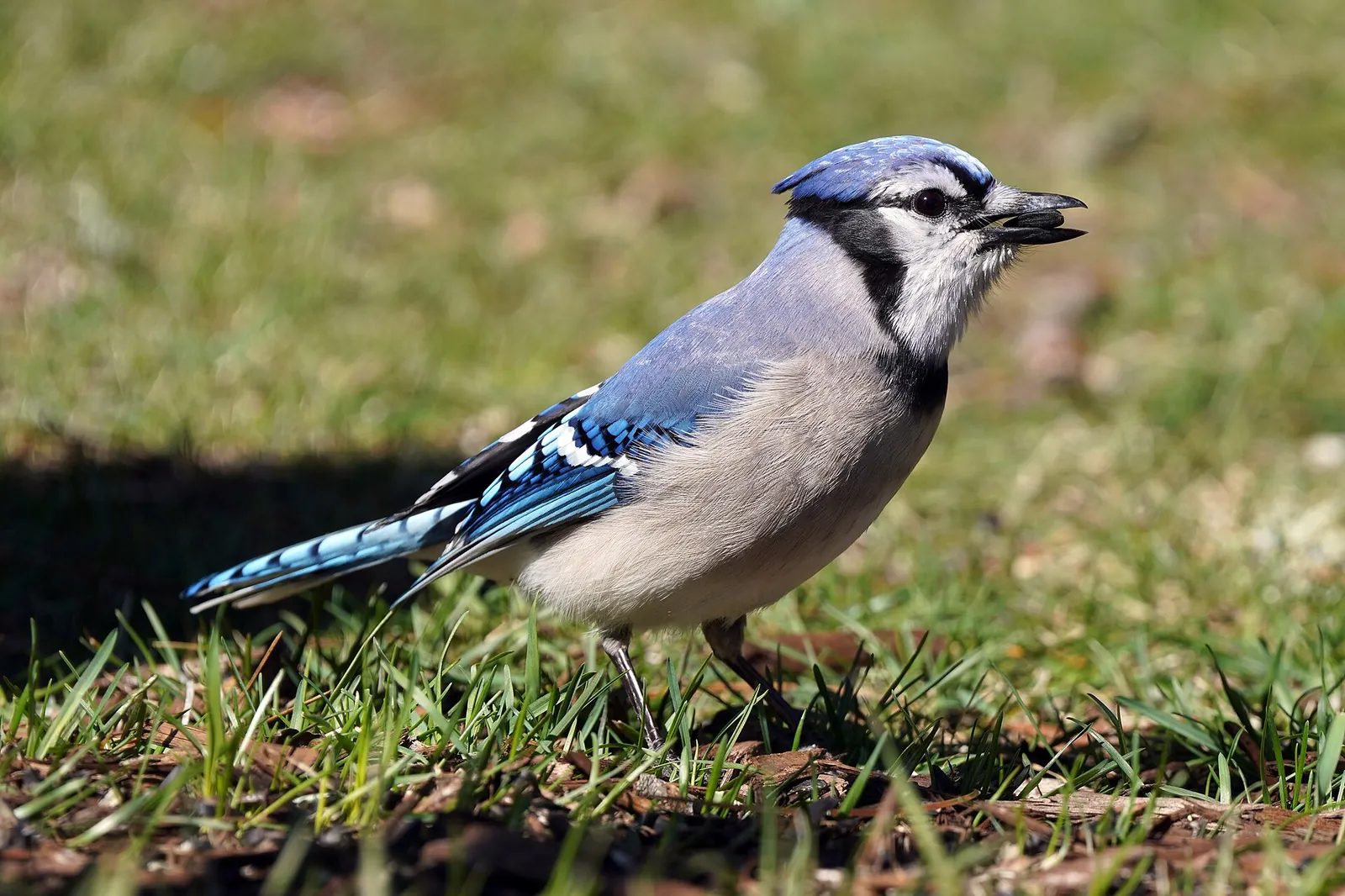
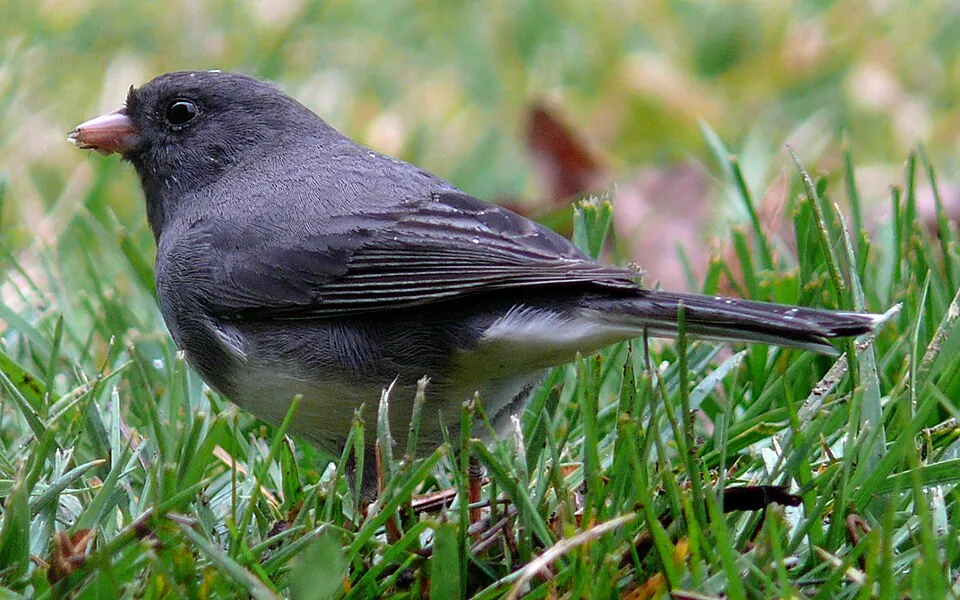
Wagner’s sells thin-shelled black-oil sunflower as a straight seed, including its Four Season Sunflower line. The company’s official pages list 10-, 20-, and 40-pound bags and a 12-pound bucket; a 25-pound bag is also widely sold under model 76027. Wagner’s says the seed attracts cardinals, chickadees, finches, nuthatches, and woodpeckers. That matches Cornell’s broader finding that black-oil sunflower draws the widest mix of feeder birds.
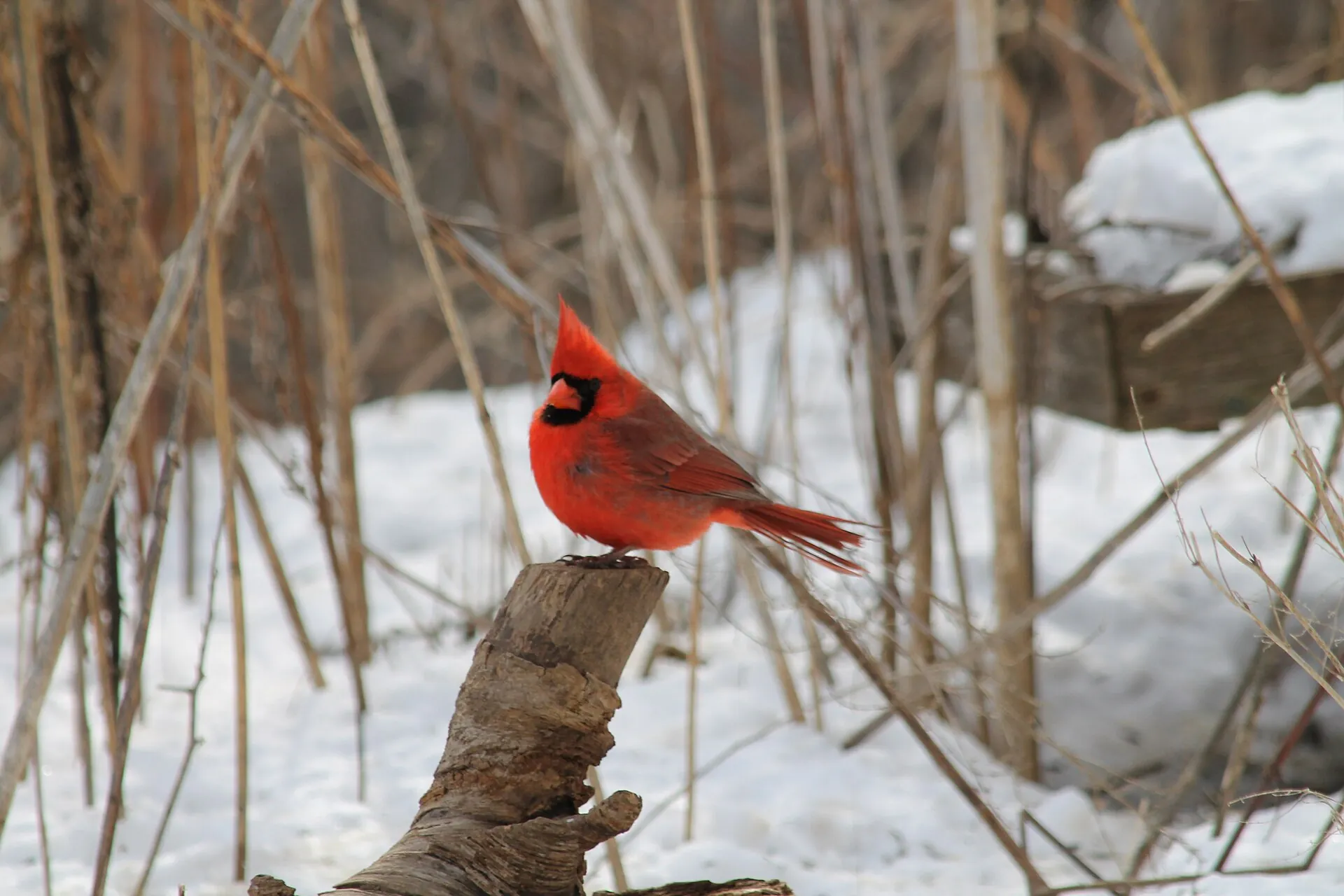
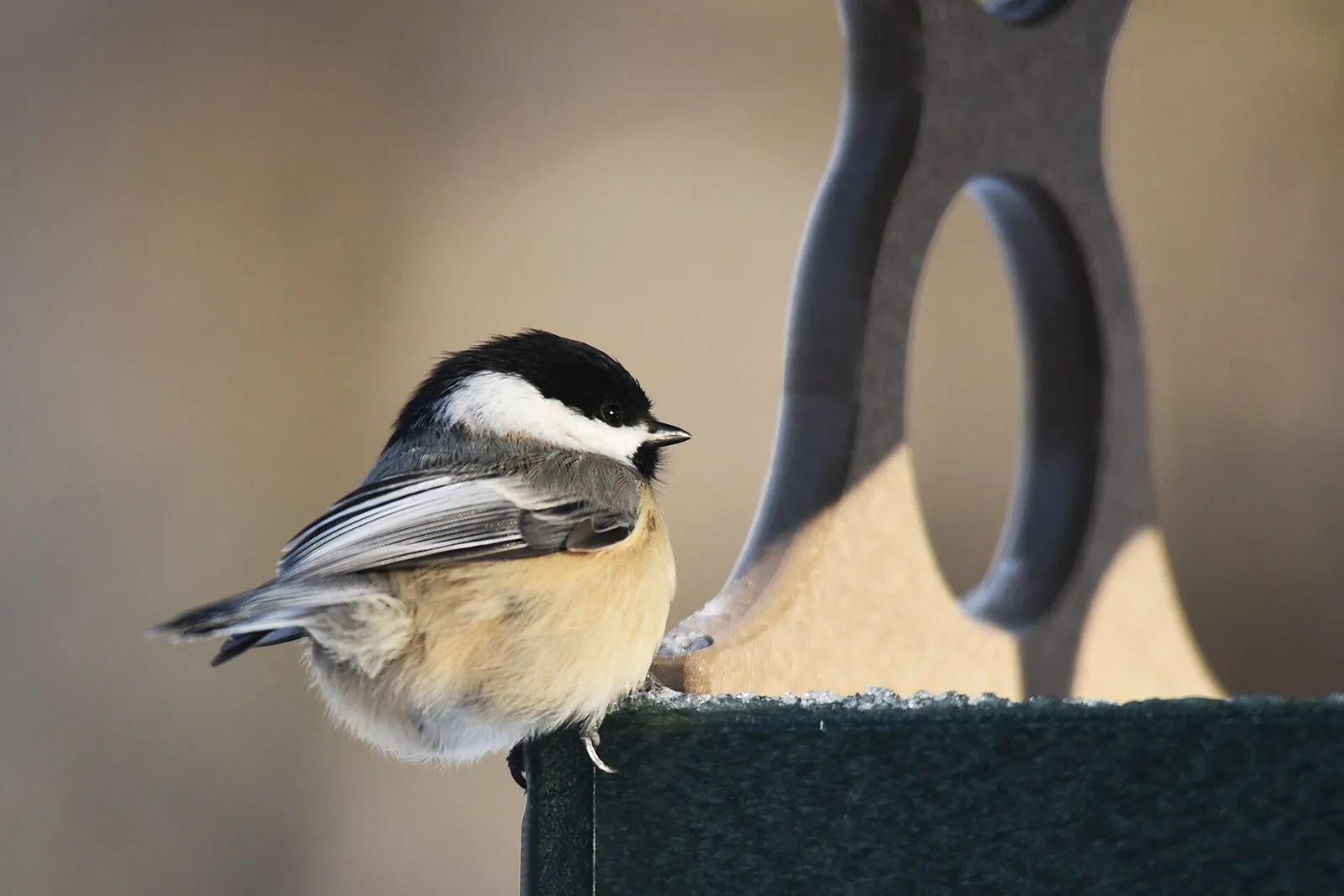
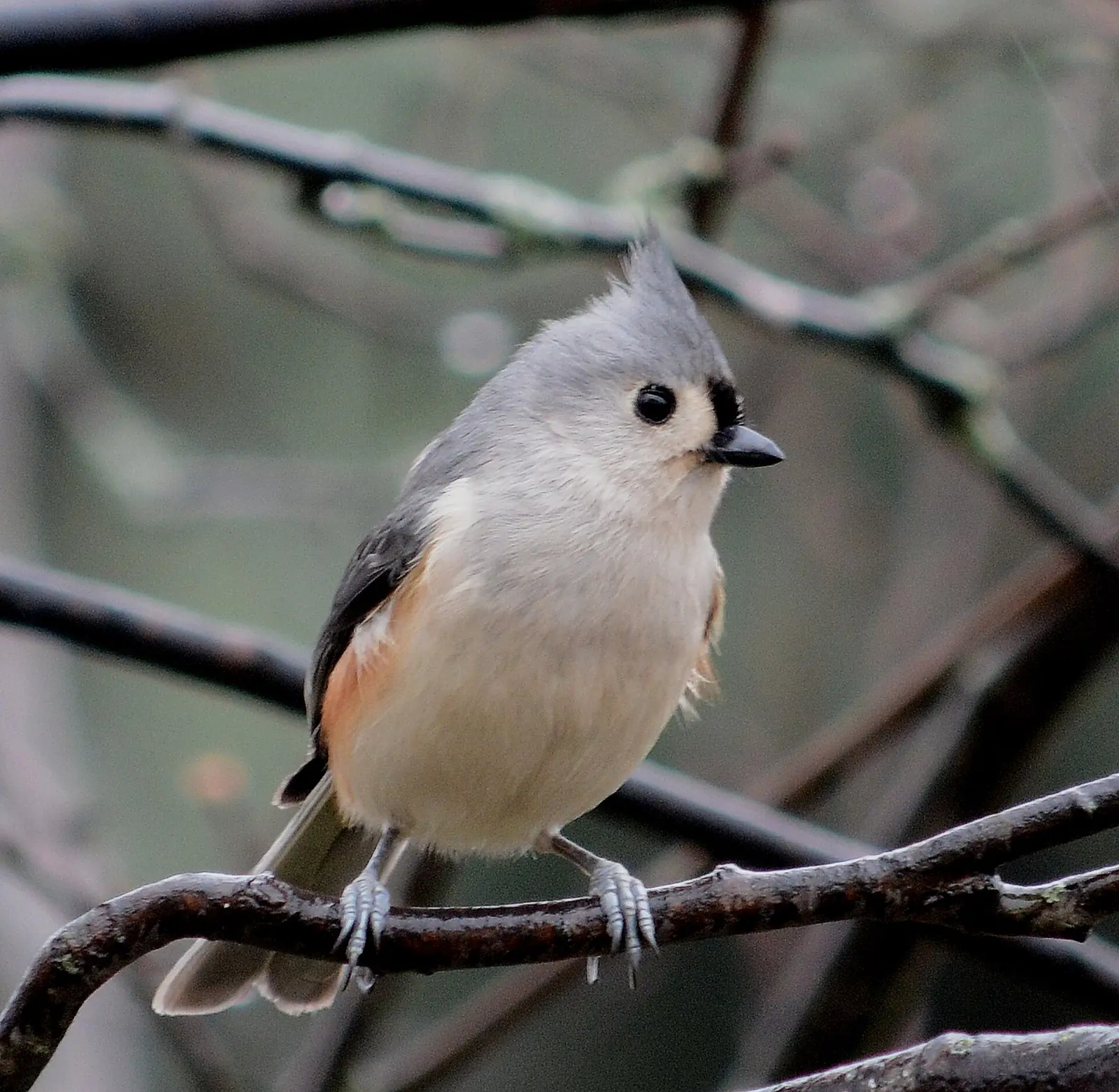
New England birds: Northern Cardinal, Black-capped Chickadee, Tufted Titmouse, White-breasted Nuthatch, Downy and Hairy Woodpeckers, House Finch, American Goldfinch, Purple Finch, Blue Jay, and many others. Juncos and doves will take spilled seed under the feeder.
What to know: The hulls pile up. That is ordinary, not a defect, and it is why many people graduate to hulled sunflower in a patio yard. Squirrels like this seed too. Store it dry in a tight container; a bargain bag that has sat in a hot warehouse is not a bargain.
Premium mix · Official store price checked
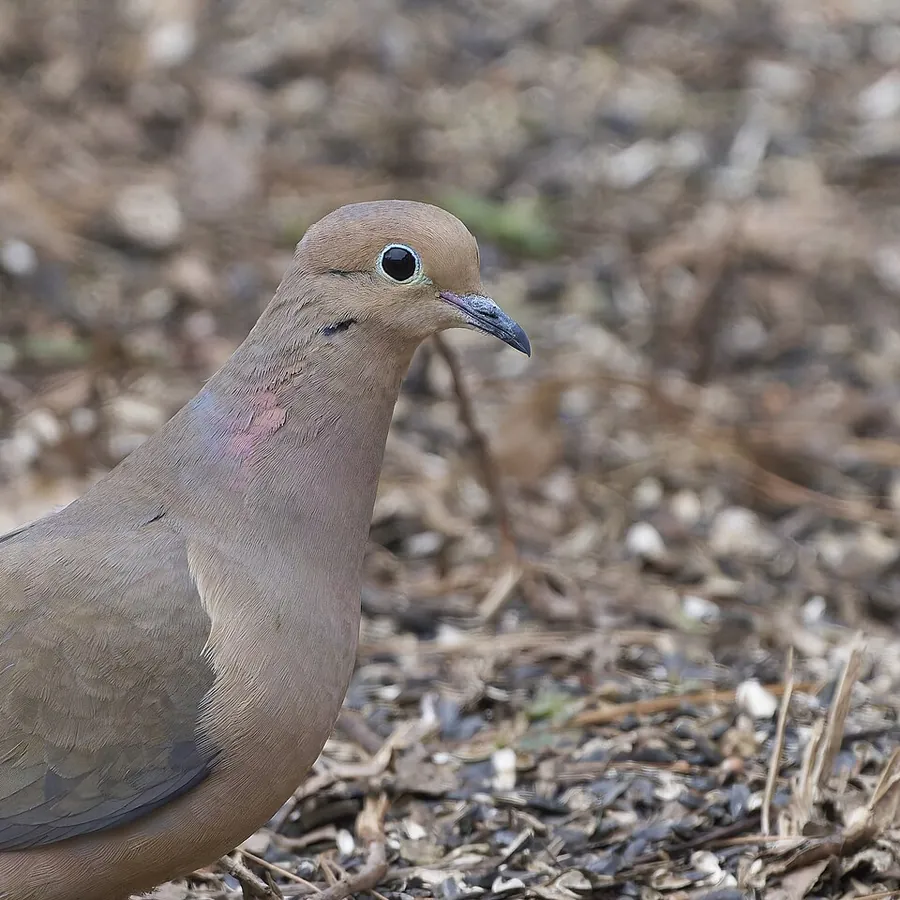
Lyric Supreme Wild Bird Mix
Lyric describes this as a nutritional mix with more than 50 percent sunflower seeds and nuts and no fillers. The official ingredient list is black-oil sunflower, white proso millet, cracked corn, shelled peanuts, safflower, black-striped sunflower, pecans, pistachios, small golden millet, canary seed, Nyjer, and sunflower kernels. Lyric’s own store, checked on November 18, 2026, listed the 4.5-pound bag at $10.99. Retailers also sell 20- and 40-pound bags; street prices move, so treat that official 4.5-pound figure as a snapshot, not a promise.
New England birds: Lyric lists finches, woodpeckers, chickadees, nuthatches, cardinals, doves, juncos, and jays, among others. The sunflower, safflower, nuts, and Nyjer in the bag line up with what those birds actually eat in Cornell and Audubon feeding notes.
What to know: Cracked corn and millet in a hanging tube often get tossed by sunflower specialists. This mix is happier in a hopper or platform, or you can keep a separate millet tray for juncos. If you only want one ingredient, black-oil sunflower is still the cheaper way to feed the most species.
No-mess options
Hulled seed costs more per pound because you are not paying for shells, and every bit is edible. The tradeoff, which Cornell and Audubon both note, is that hulled sunflower spoils faster when it gets wet. Use a covered feeder and clean out clumps after rain or snowmelt.
No hulls · Straight sunflower
Kaytee Sunflower Hearts & Chips
Kaytee’s official product is 100 percent sunflower hearts and chips, with the hulls already removed. The product page we checked lists a 3-pound package; larger bags are also sold at retail. The guaranteed analysis on that page includes a minimum of 35 percent crude fat and 20 percent crude protein. Kaytee says the food attracts cardinals, chickadees, finches, goldfinches, grosbeaks, nuthatches, and titmice, and that fallen seed cannot sprout without its shell.
New England birds: The same sunflower specialists that come to black-oil seed, including Northern Cardinal, Black-capped Chickadee, Tufted Titmouse, nuthatches, finches, and Evening Grosbeaks if they appear. Grosbeaks, when they show, want a platform of sunflower.
What to know: This is the cleanest everyday sunflower option in this guide. Keep it dry. If wet seed cakes in the tube, empty it rather than hoping it dries out.
No hulls · Blended mix
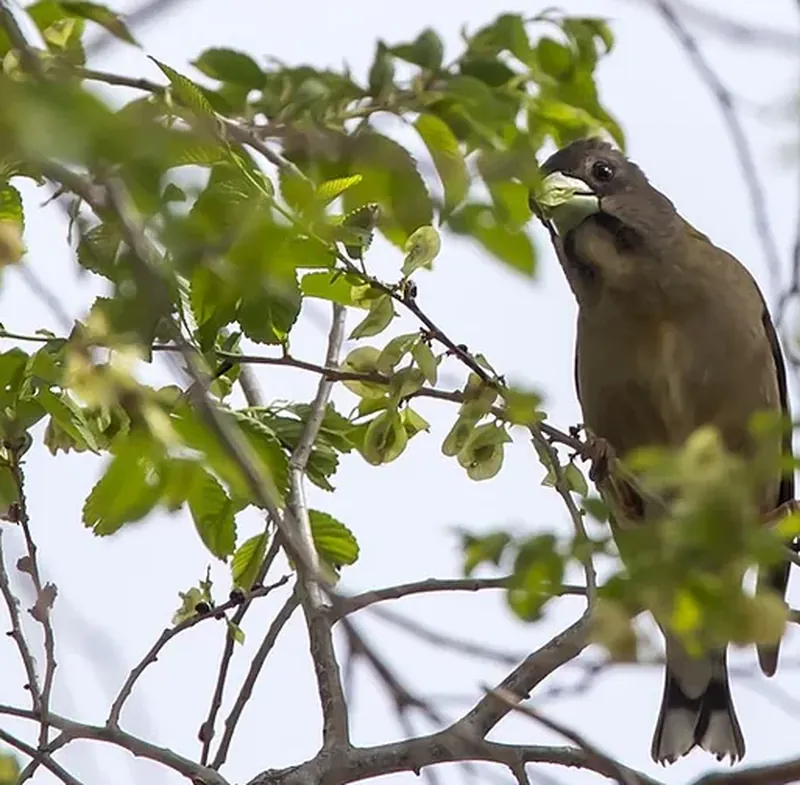
Kaytee No Mess Blend
Kaytee sells this as a 100 percent edible, no-hull mix. Official ingredients are hulled sunflower, cracked corn, white millet, shelled peanuts, canary grass seed, calcium carbonate, and soybean oil. The company’s product pages list a 5-pound bag, and a 10-pound size appears in Kaytee catalog materials. Kaytee says it attracts cardinals, finches, indigo buntings, and nuthatches.
New England birds: Sunflower and peanut pieces for chickadees, titmice, nuthatches, cardinals, and woodpeckers; millet and cracked corn for juncos, sparrows, and doves, especially if some seed reaches a tray or the ground. Indigo Buntings are a summer bird here, not a winter regular.
What to know: “No mess” means no shells, not “no cleanup.” Hulled mixes still need a dry feeder, and cracked corn can draw blackbirds, starlings, and squirrels. Retail prices for the 5-pound bag vary widely from store to store, so we are not printing a range.
Squirrel-resistant and hot pepper
Hulled sunflower · With chili
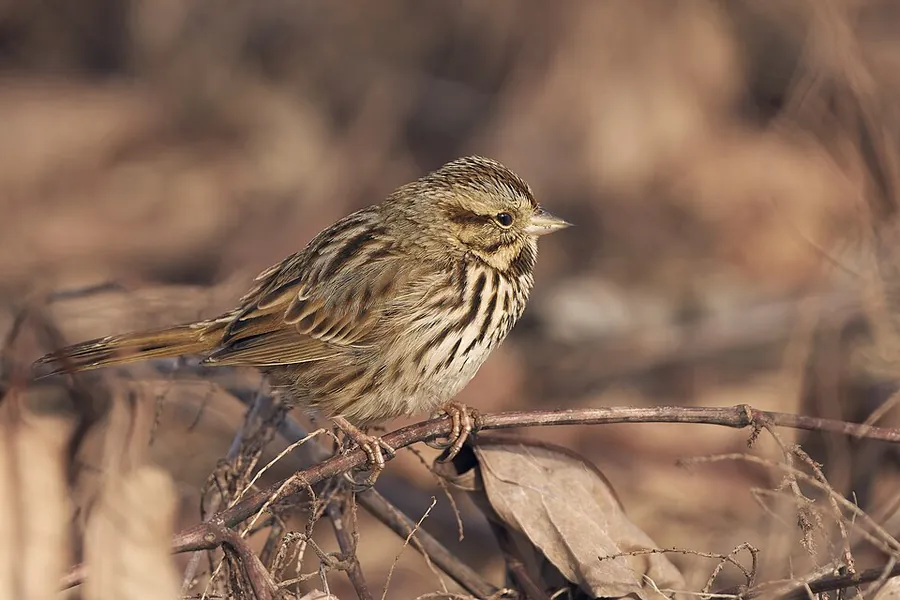
Cole’s Hot Meats
Cole’s official recipe is sunflower meats with liquid habanero chili peppers and safflower oil. It is sold in 5-, 10-, 20-, and 40-pound bags. Because the hulls are already off, it is also a no-mess seed. Birds do not have the same reaction to capsaicin that mammals do, which is the idea behind hot-pepper seed.
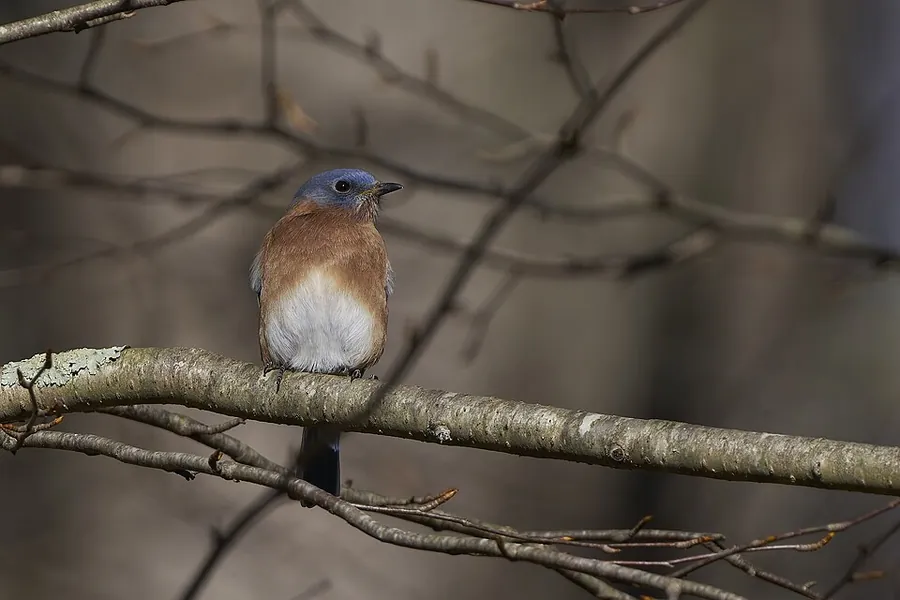
New England birds: The sunflower-eating regulars — cardinals, chickadees, titmice, nuthatches, finches, and woodpeckers. Cole’s highlights cardinals and bluebirds among the birds that take it; bluebirds in New England are more likely at mealworms or native fruit than at a seed tube, but they will sometimes visit.
What to know: Cole’s own product copy is more careful than a lot of marketing around this category. The company says chili is not a guaranteed squirrel repellent, that squirrels may try the seed at first, and that a baffle is still wise. Treat the seed as an irritant: it can burn eyes and skin, so do not handle it casually and keep it away from pets that might get it on their fur. If squirrels are the main problem, pair this with a baffle rather than expecting the pepper to do all the work.
Suet cake · With chili
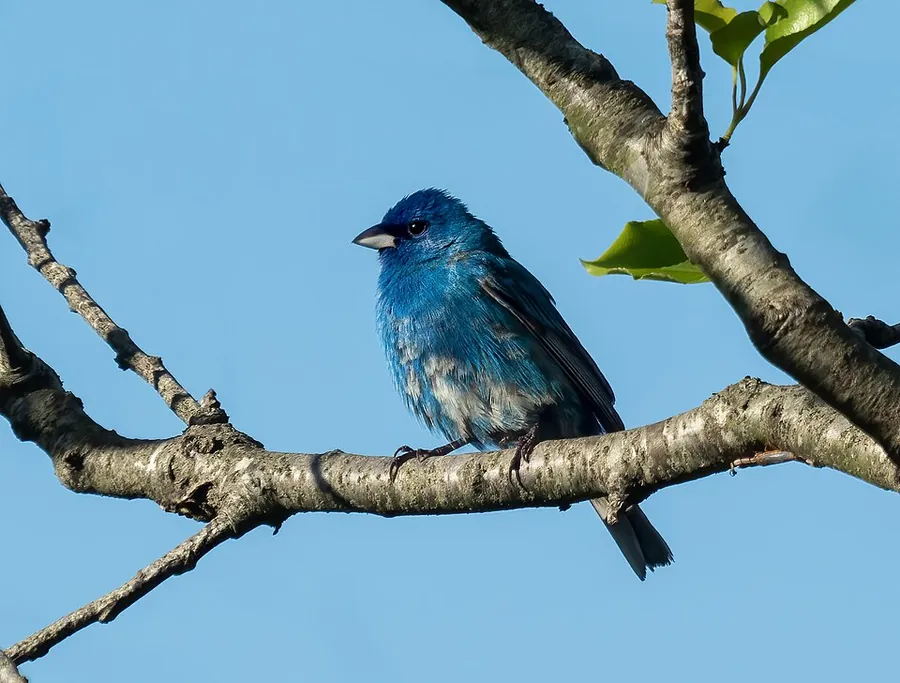
Cole’s Hot Meats Suet Cake
Cole’s sells an 11.75-ounce suet cake in the same hot-pepper line. Official ingredients include corn, roasted peanuts, rendered beef suet, oats, sunflower meats, red pepper, and soy oil. The company describes it as a no-melt formula, which matters more on a surprise mild day than in a deep freeze.
New England birds: Woodpeckers, chickadees, nuthatches, and titmice are the usual suet regulars. In winter, that cage can be as busy as the sunflower tube.
What to know: Same handling caution as the loose Hot Meats seed. A standard suet cage on a tree or pole is the right hardware. If starlings take over, a suet feeder that requires a bird to hang upside down can help, but it will not solve every yard.
For finches
Straight Nyjer · Tube or sock
Wagner’s Nyjer Seed
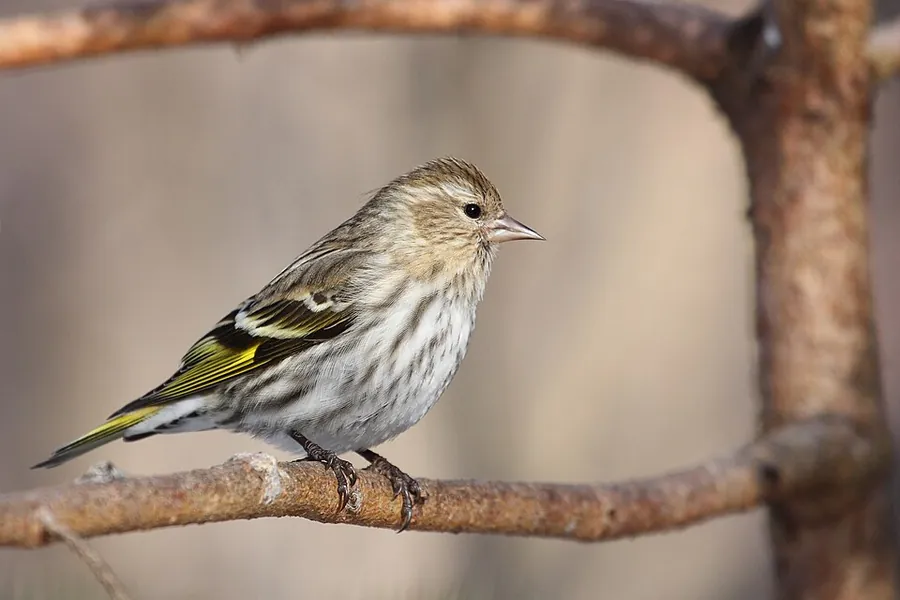
Wagner’s official specialty page lists Nyjer (sometimes still labeled thistle) in 2-, 5-, 10-, and 20-pound bags. The company calls it a favorite of American Goldfinch, Purple Finch, Pine Siskin, and other small songbirds, and notes that the seed is used in finch feeders with smaller holes and tiny perches. Wagner’s also claims about 150,000 seeds per pound and no leftover hulls; that is the manufacturer’s description, not a measurement we made. Kaytee also sells a 100 percent Nyjer product (botanically Guizotia abyssinica); the Kaytee page we checked lists a 3-pound package and the same tube-or-sock advice, with a guaranteed analysis of at least 35 percent crude fat.
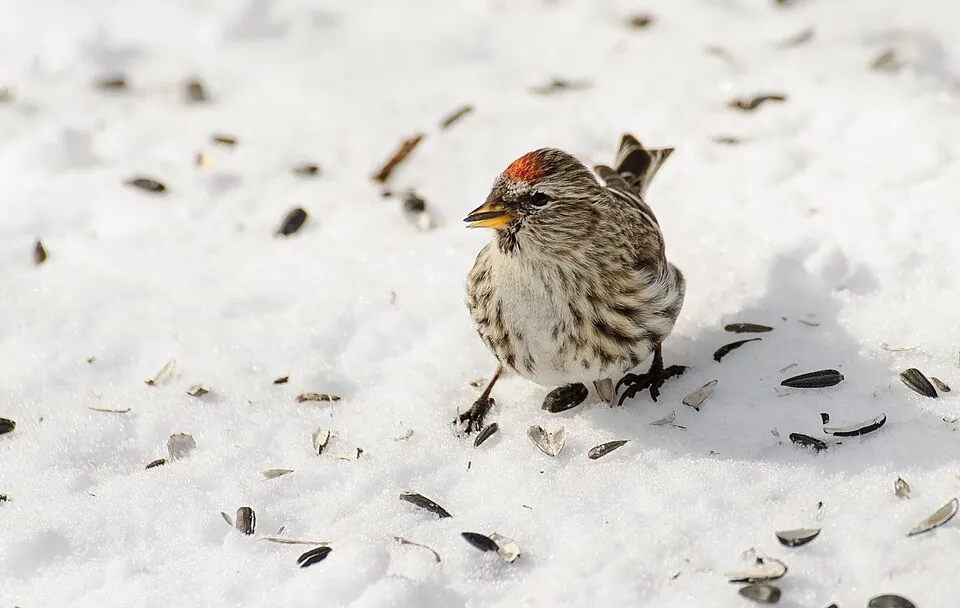
New England birds: American Goldfinch, House Finch, and, in a flight year, Pine Siskin, Purple Finch, and redpolls. The official 2026–27 Winter Finch Forecast expects siskins and Purple Finches in the Northeast this winter, often in the woods more than at feeders, and does not call for a big redpoll flight. Nyjer is still the right seed if they do drop in.
What to know: Use a nyjer tube or mesh sock. In a large-port hopper, much of this expensive seed will spill. Nyjer can go stale; buy a size you will finish and keep it dry. Goldfinches use feeders year-round in New England, including in their dull winter plumage.
For cardinals and a mixed station
Quality blend · Includes safflower
Cole’s Special Feeder
Cole’s Special Feeder is a no-pepper blend. Official ingredients are black-oil sunflower, sunflower meats, black-striped sunflower, raw peanuts, safflower, and pecans, sold in 5-, 10-, 20-, and 40-pound bags. Safflower is the seed many people add when they want cardinals and fewer squirrels or grackles; Cornell notes that cardinals take it readily, while some problem species are less enthusiastic. It is not a guarantee.
New England birds: Northern Cardinal, Blue Jay, chickadees, titmice, nuthatches, and woodpeckers (Cole’s notes that woodpeckers go after the pecans). Finches will take the sunflower. This is a hopper or platform mix, not a nyjer-tube food.
What to know: You are paying for nuts and hulled meats as well as whole seed. If the goal is simply “more cardinals,” a hopper of straight black-oil sunflower, or straight safflower, will also do the job with fewer ingredients.
Value for juncos and the ground
Straight millet · Platform or ground
Cole’s White Millet
Cole’s White Millet is 100 percent white proso millet, sold in 10- and 20-pound bags. The company calls it a top choice for most ground-feeding birds and recommends scattering it or mixing it with oil sunflower. It works in a platform feeder or on the ground, and Cole’s says it is not recommended for tubular or mesh feeders unless mixed with other seeds.
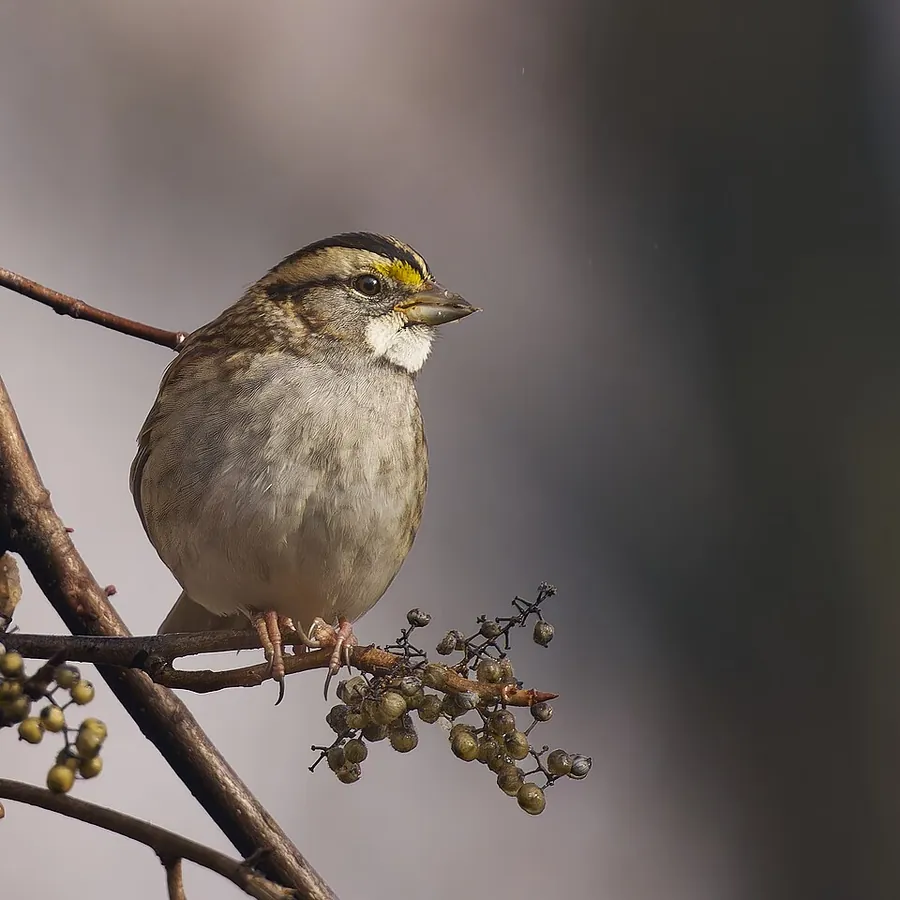
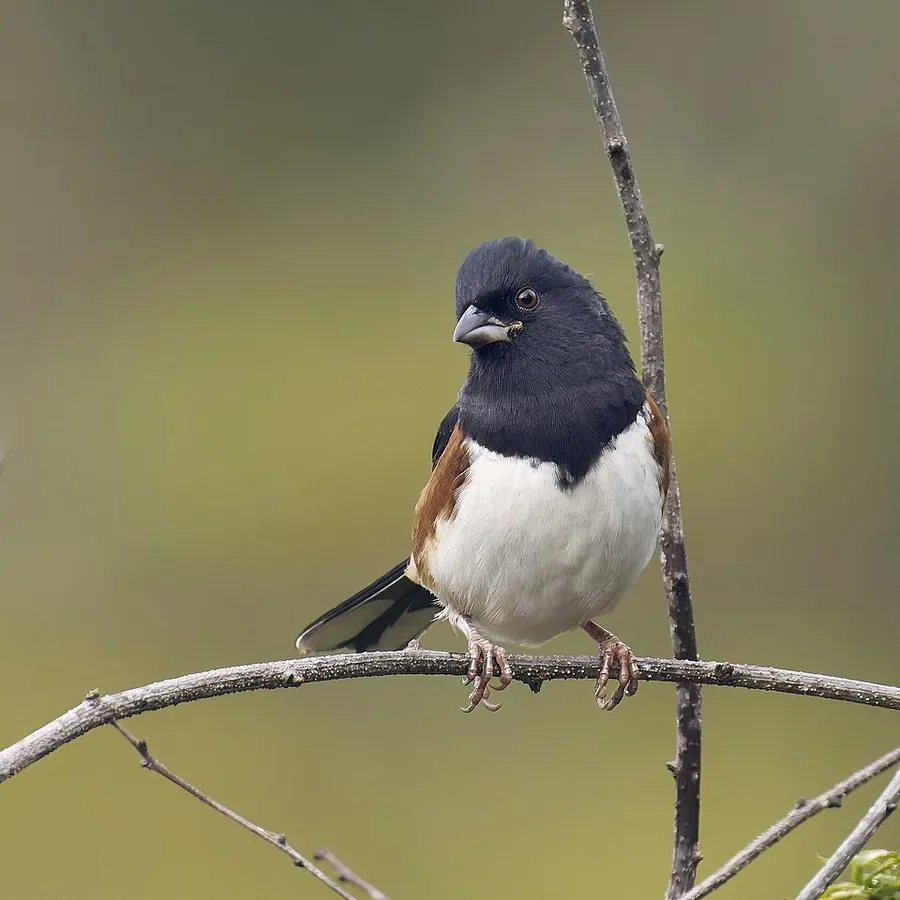
New England birds: Cole’s lists juncos, Song Sparrows, White-throated Sparrows, towhees, doves, and Indigo Buntings. In a New England winter, the regulars on a millet tray are Dark-eyed Juncos, White-throated Sparrows, and Mourning Doves. Towhees and buntings are mainly a warmer-months story in much of the region.
What to know: This is the cheapest way to feed the birds that already clean up under a sunflower feeder. Do not let a wet mat of millet build up; leftover seed on the ground should be swept up so it does not rot or grow mold.
Suet for cold weather
Audubon and Cornell both treat suet as a winter staple: high fat, used by woodpeckers, chickadees, nuthatches, and titmice. Rendered beef suet holds up in the cold. On mild days, a no-melt formula is less likely to go rancid or drip.
Standard winter suet
Lyric Supreme Wild Bird Suet
Lyric sells a suet cake in the Supreme line, built around the same mix of seeds and nuts as the loose Supreme bag, bound with rendered beef suet. Official cakes are 12 ounces and are often sold in multi-packs on Lyric’s store and at farm-and-home retailers. We are not printing a street price, because pack sizes and promotions vary.
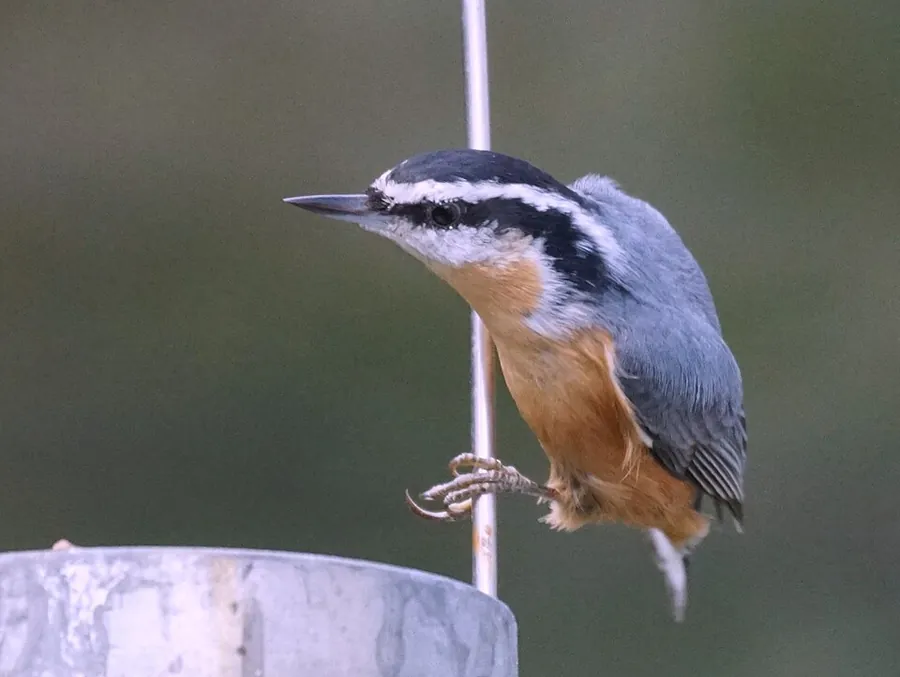
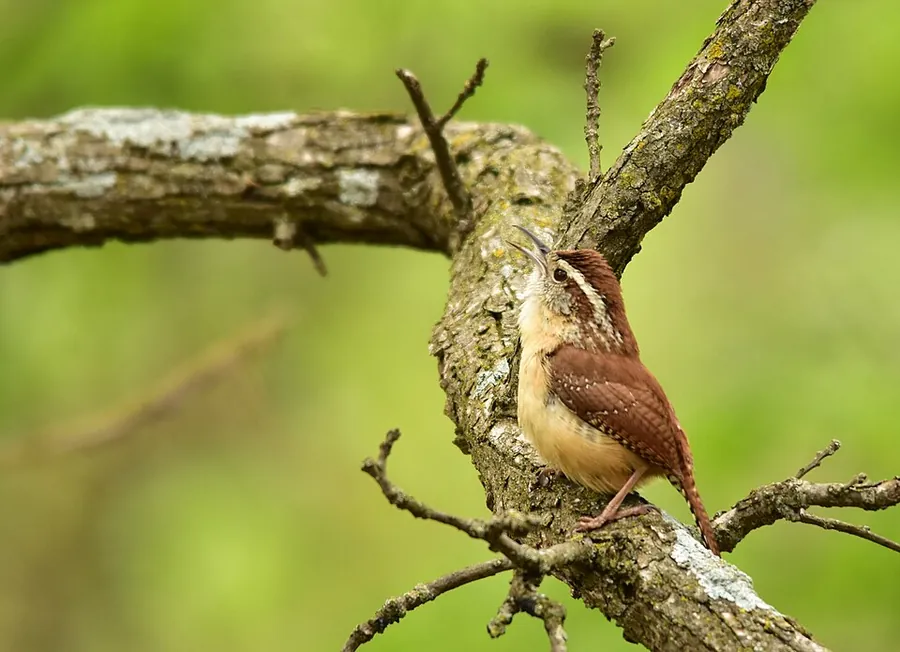
New England birds: Downy and Hairy Woodpeckers, Black-capped Chickadee, Tufted Titmouse, White-breasted Nuthatch, and, when present, Red-breasted Nuthatch. Carolina Wrens may take suet too, especially in early winter.
What to know: Hang the cake in a suet cage, out from a window enough to avoid strikes, and replace it if it smells off or crumbles into a wet mess. If squirrels empty the cage, look at the Hot Meats suet above, and add a baffle.
A November caution in bear country
If you live where black bears are active, seed and suet are attractants. The Connecticut Department of Energy and Environmental Protection has urged residents to avoid putting out bird feeders — including suet and hummingbird feeders — in the fall, and its bear FAQ says that if you do feed, winter feeding is the window from December through late March, with feeders taken down at the first sign of a bear. Some towns have their own ordinances. Similar advice comes from MassWildlife. Native plantings and water help birds without leaving a calorie-dense bag on a hook. See the November feeder report for the citations.
How to store it, and what not to buy
Keep seed in a tight, dry container. Cornell has long suggested a metal can when rodents are a problem. Buy from a store that turns stock over. Skip bargain mixes padded with milo, wheat, or other filler seeds that many eastern birds toss aside — the seed chart explains that waste. Skip bread, crackers, and salted snacks; Mass Audubon is blunt that those foods fill a bird up without offering real nutrition.
The buttons on this page go to matching Amazon.com product pages in canonical /dp/ASIN form, with no tracking tag. Each button keeps a data-aff slug and a data-asin attribute so an Associates tag can be added later. They are not endorsements of a particular retailer. Read the affiliate disclosure. Thumbnail photographs are credited on the image credits page.
Sources
- Cornell Lab of Ornithology / Project FeederWatch, Feeding Birds, on black-oil sunflower, nyjer, millet, safflower, peanuts, and suet.
- National Audubon Society, Top 10 Foods for Winter Bird Feeding and 11 Tips for Feeding Backyard Birds.
- Wagner’s official product pages for Nyjer Seed and Four Season / black-oil sunflower bag sizes.
- Lyric official store, Supreme Wild Bird Mix 4.5 lb. (ingredient list and $10.99 price checked November 18, 2026).
- Kaytee official product pages for Sunflower Hearts & Chips, No Mess Blend, and Nyjer Seed.
- Cole’s Wild Bird Products official pages for Hot Meats, Hot Meats Suet, Special Feeder, and White Millet.
- Finch Research Network, Winter Finch Forecast 2026-2027, by Tyler Hoar.
- Connecticut DEEP, news release of September 21, 2026, and black bear FAQ on bird feeders.