Texas · November 2026
Texas backyard feeder birds
Texas ranked third in eBird checklist volume on November 18, 2026, and turned in 305 FeederWatch sites in the first two weeks of the 2026–27 season. It is the anchor of the Census Bureau's West South Central division (Texas, Oklahoma, Arkansas, and Louisiana), which held 11 percent of U.S. birders in the 2022 USFWS report.
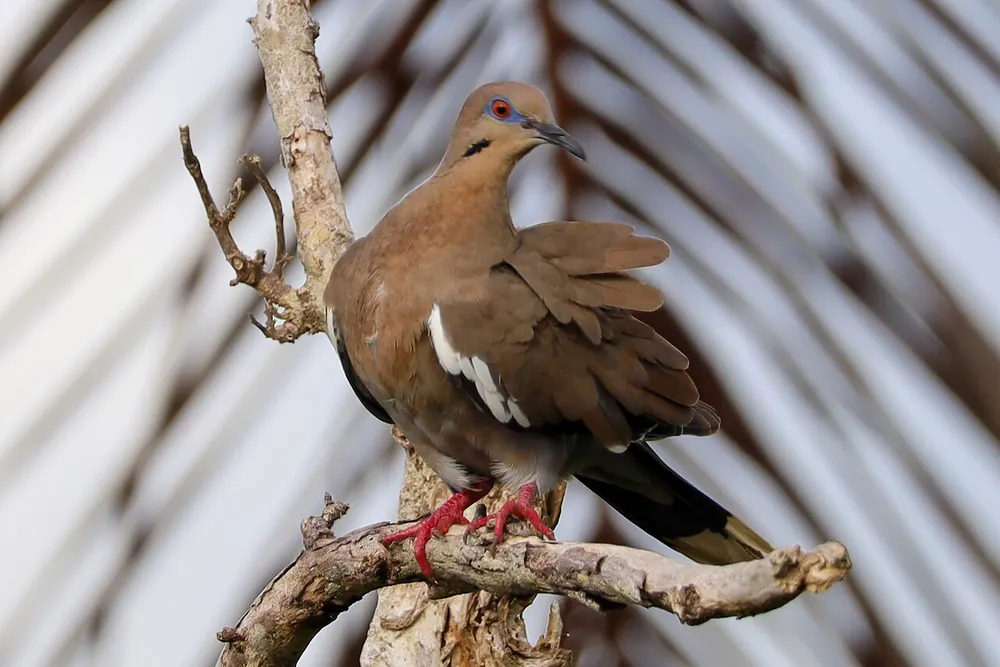
What showed up in early November 2026
The ranking below is the most common birds reported near feeders in Texas from November 1–13, 2026, compiled by Stacker from Project FeederWatch. Birds are ranked by the percent of 305 count sites that reported each species. Ties are broken by average group size when seen. This is an early-season window, not the official full-season Top 25. For the completed-season list, use the FeederWatch Top 25 tool.
| Rank | Species | Sites visited | Avg. group |
|---|---|---|---|
| 1 | Northern Cardinal | 70.5% | 2.06 |
| 2 | Carolina Chickadee | 57.7% | 1.73 |
| 3 | White-winged Dove | 54.1% | 3.80 |
| 4 | Blue Jay | 47.2% | 1.92 |
| 5 | Carolina Wren | 40.7% | 1.32 |
| 6 | House Sparrow | 40.3% | 6.01 |
| 7 | House Finch | 38.4% | 2.11 |
| 8 | Northern Mockingbird | 29.8% | 1.19 |
| 9 | Mourning Dove | 28.9% | 2.74 |
| 10 | Red-bellied Woodpecker | 28.9% | 1.12 |
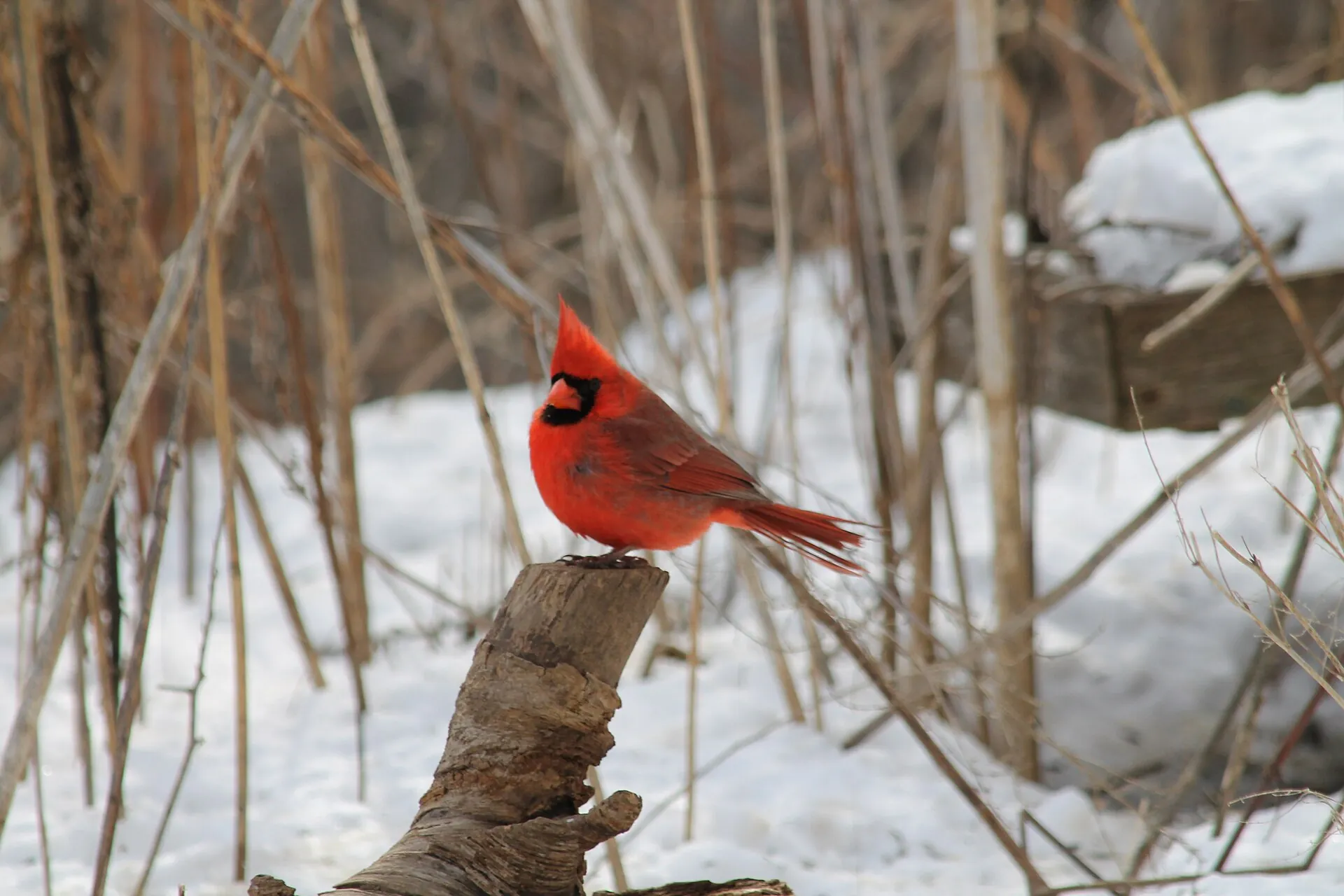
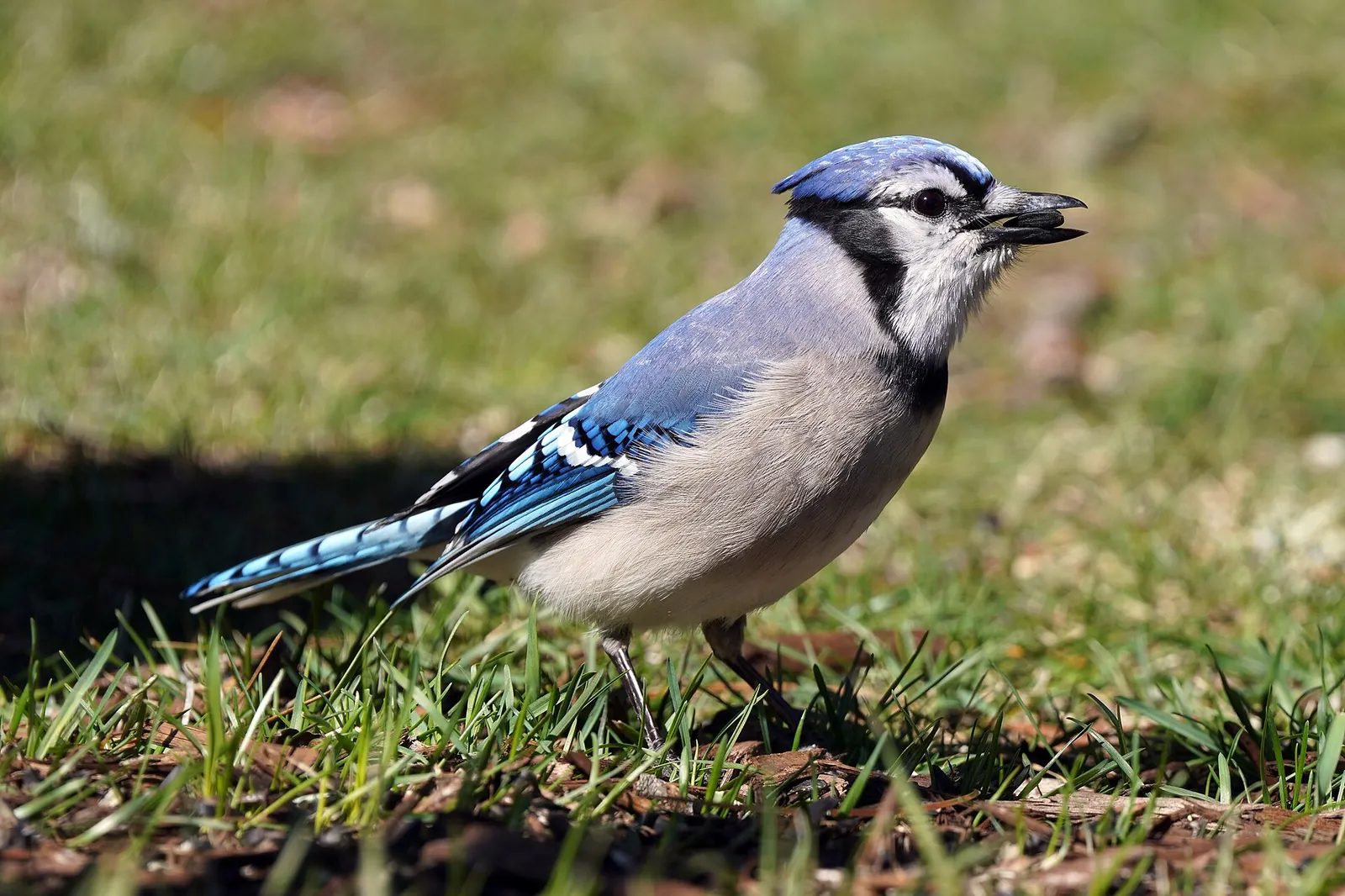
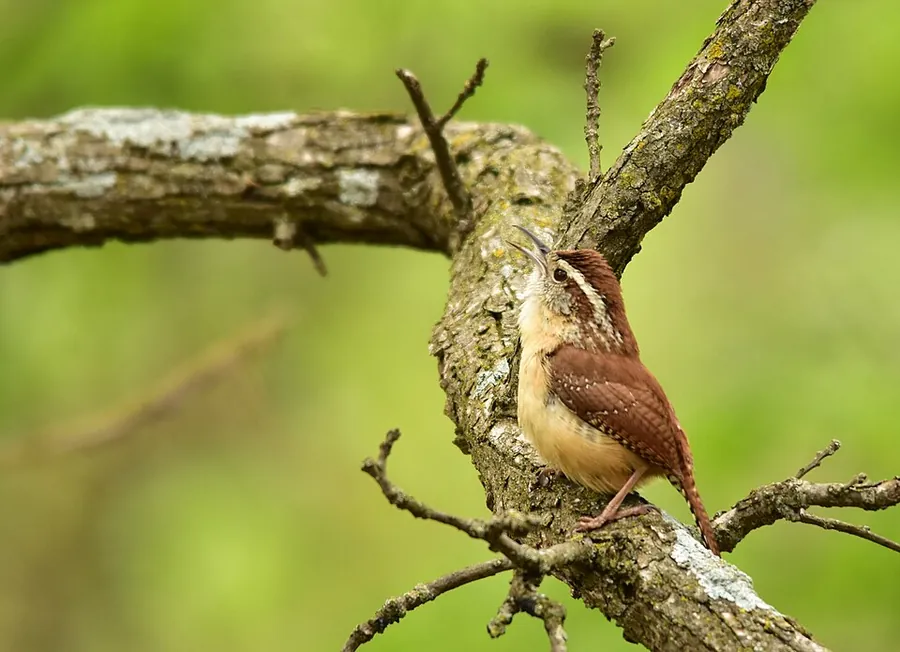
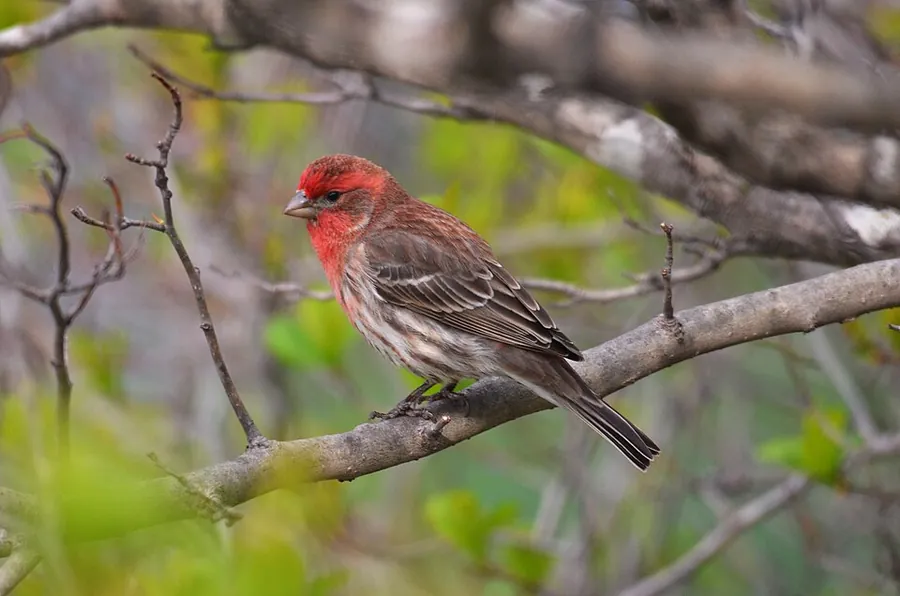
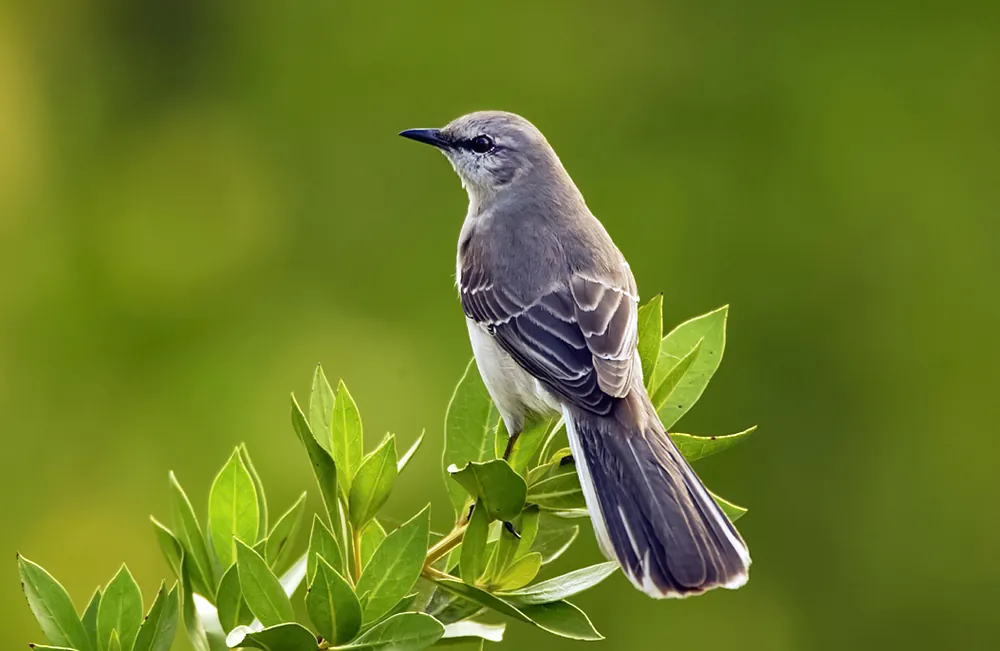
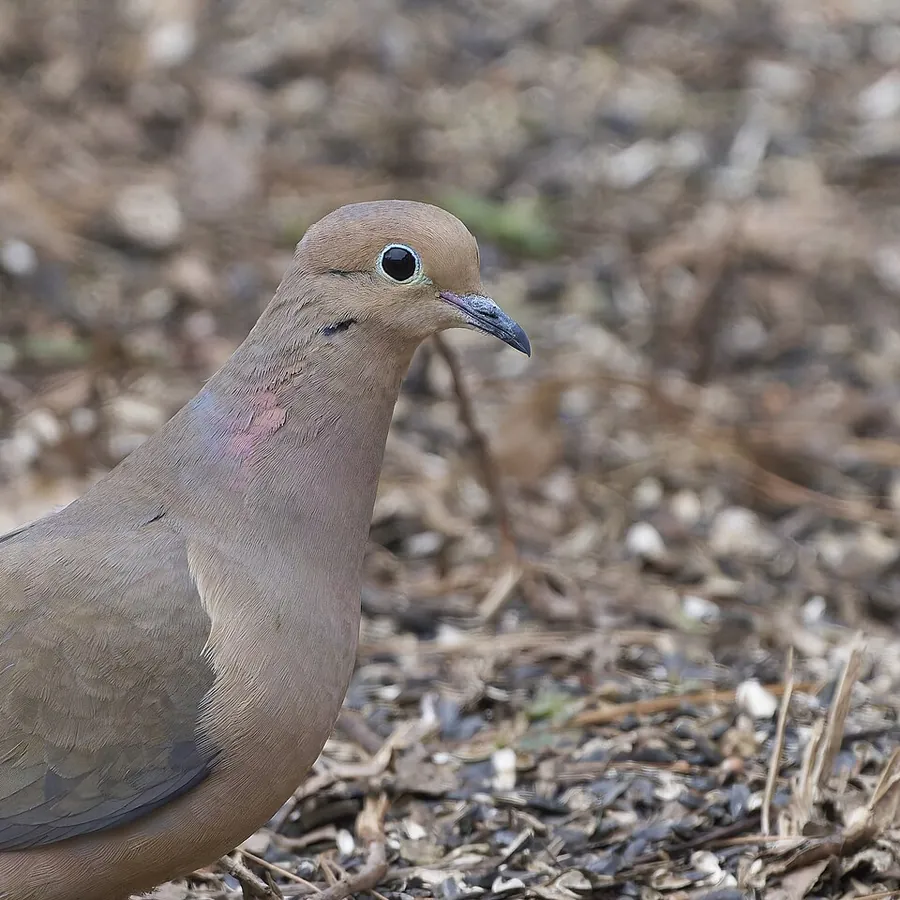
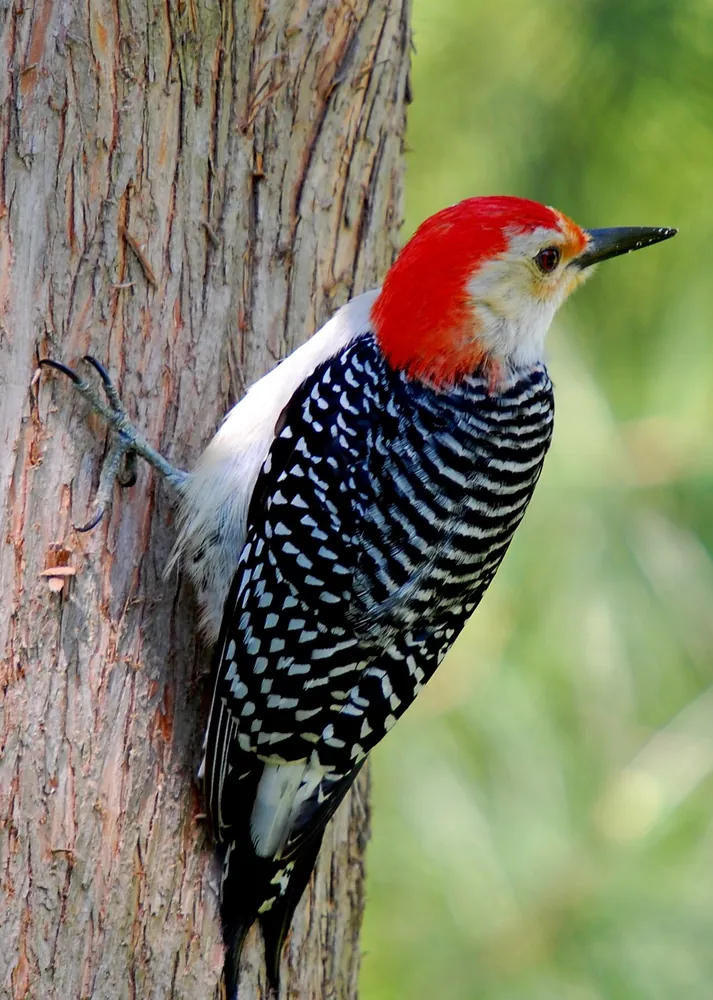
Where this list includes Carolina Chickadee, that is the local species. The chickadee photograph used elsewhere on Feeder Almanac is a Black-capped Chickadee, so it is not shown in the strip on this page.
What to pour
Black-oil sunflower is the straightforward offer for Northern Cardinal, the early-season leader, and it also serves House Finch, Carolina Wren, and woodpeckers. White-winged Dove, a South Texas and southern-plains specialty that does not appear on northeastern lists, uses platform and ground feeding. Suet is useful in a north Texas cold snap; in a hot south Texas week, follow Cornell and FeederWatch advice and avoid melted or rancid suet. A no-mess hulled sunflower mix keeps hull piles down on a patio.
Those buttons go to matching Amazon.com product pages in canonical /dp/ASIN form, with no tracking tag. Read the affiliate disclosure and the seed buying guide before you buy.
Seasonal notes
The local chickadee in most of Texas is the Carolina Chickadee, not the Black-capped Chickadee of the northern states. Black-crested Titmouse, which fell just outside this top ten at 23.6 percent of sites, is a central and west Texas bird worth learning if you live west of the Blue Jay line. Hummingbirds are a spring-through-fall story in much of the state; the official FeederWatch list for a later month is the better guide than this November snapshot alone.
This page is part of the Texas & South Central hub. For identification help that is not limited to one state, see the national backyard bird ID.
Sources
- The U.S. Fish and Wildlife Service, 2022 Birding in the United States: A Demographic and Economic Analysis, for national birder counts, Census division shares, and days spent birding.
- U.S. Fish and Wildlife Service, 2022 National Survey of Fishing, Hunting, and Wildlife-Associated Recreation, for around-the-home wildlife watching, including feeding, by division.
- eBird United States subregions, checklist totals checked November 18, 2026. These are running, all-habitat totals and will change.
- Project FeederWatch, Top 25 Feeder Birds tool, for official full-season and state lists. The November 1–13, 2026 counts quoted here were compiled by Stacker and published November 16, 2026, ranked by percent of sites visited.
- Project FeederWatch, Feeding Birds, and the Cornell Lab of Ornithology, How to Attract Hummingbirds, for seed and nectar guidance.
- Our seed chart and bird-seed buying guide for product matches.
- Stacker, Most commonly seen birds in Texas, published November 16, 2026, using Project FeederWatch data from November 1–13, 2026, at 305 count sites.